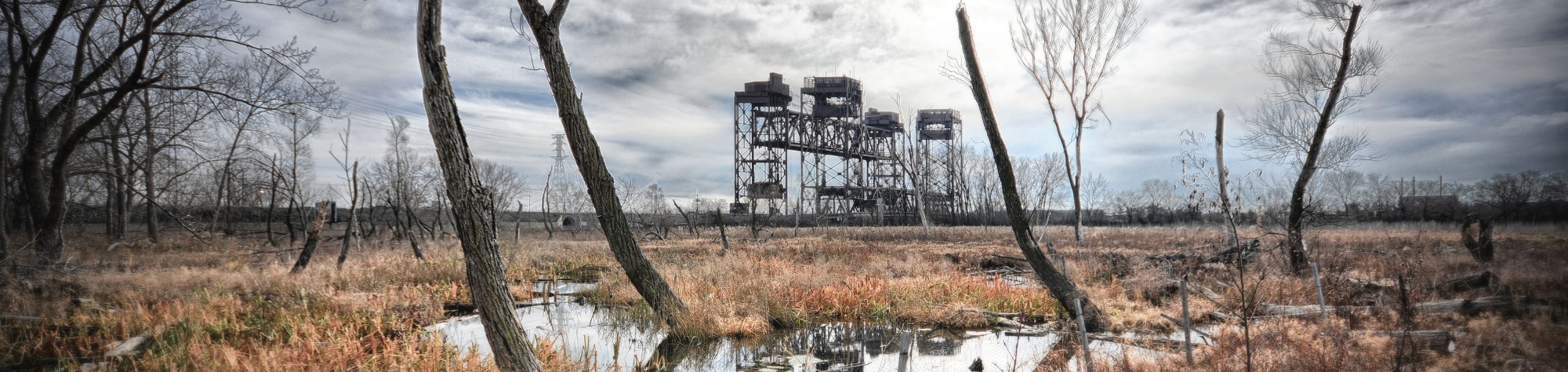
One of Montana’s nicknames is “the treasure state”, a nod to its wealth of natural resources and gemstones. On this recent road trip, I got to understand just how apt this nickname was. Mining is a huge part of the state’s history and culture, and is still a major industry today. This is visible everywhere, in ways great and small, and we set out to see as much of it as we could.
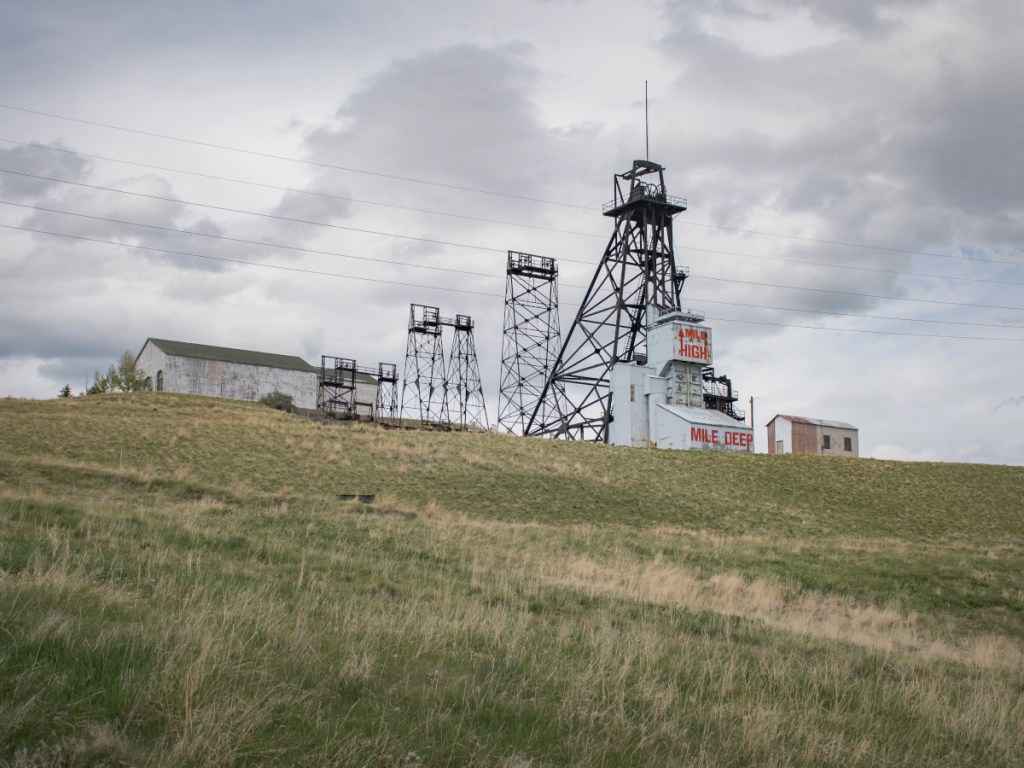
We’ll start on the grand end of the scale, in Butte. At about thirty-five thousand residents, Butte is Montana’s fifth-largest city . Numerous disused head frames dot the town, particularly the northern uptown section. One is notably labeled “mile high/mile deep” as the the town sits at about a mile elevation above sea level, while the mining tunnels extend about a mile below the surface.
.
Nearby, a still active mine is evidenced by a massive pit.

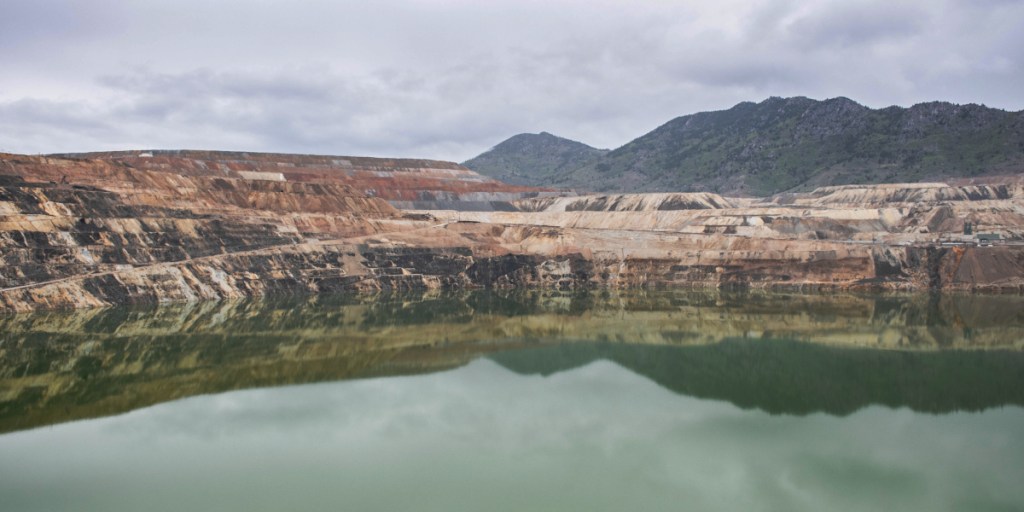
Just a bit further east is the staggeringly huge Berkely Pit, a former open pit copper mine which was shut down and allowed to flood about thirty years ago. The water in it is an environmental nightmare: as acidic as vinegar and saturated with heavy metals that get leeched from the earth. It is so toxic that, when a flock of migrating geese landed in the pit in late 2016, thousands of them died on the water, their insides burned by the various caustic chemicals.
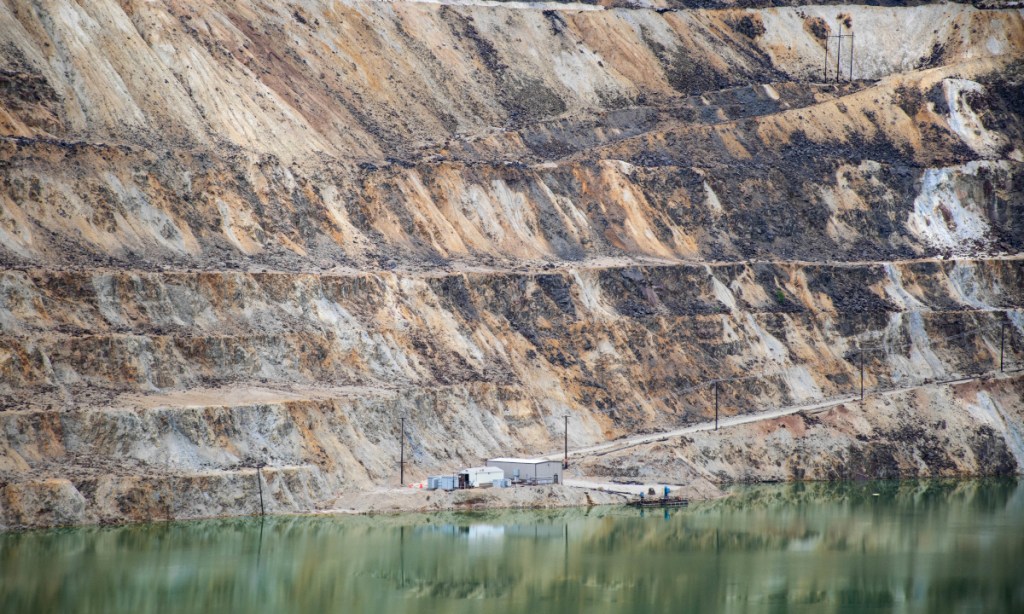
This small cluster of buildings on the shoreline may give a clue as to the sheer size of this pit .
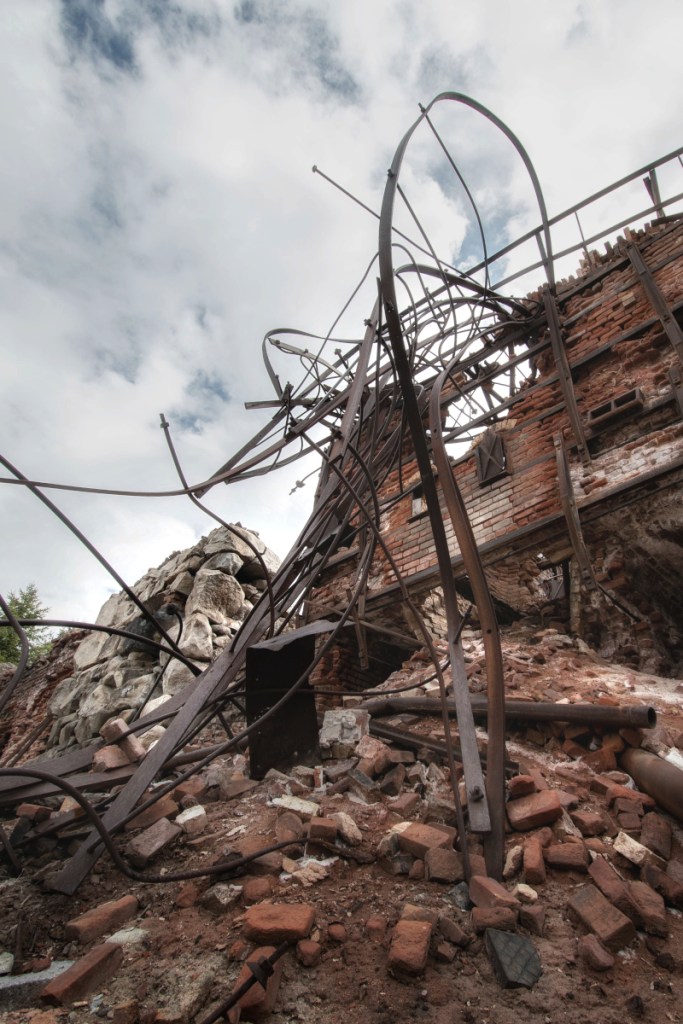
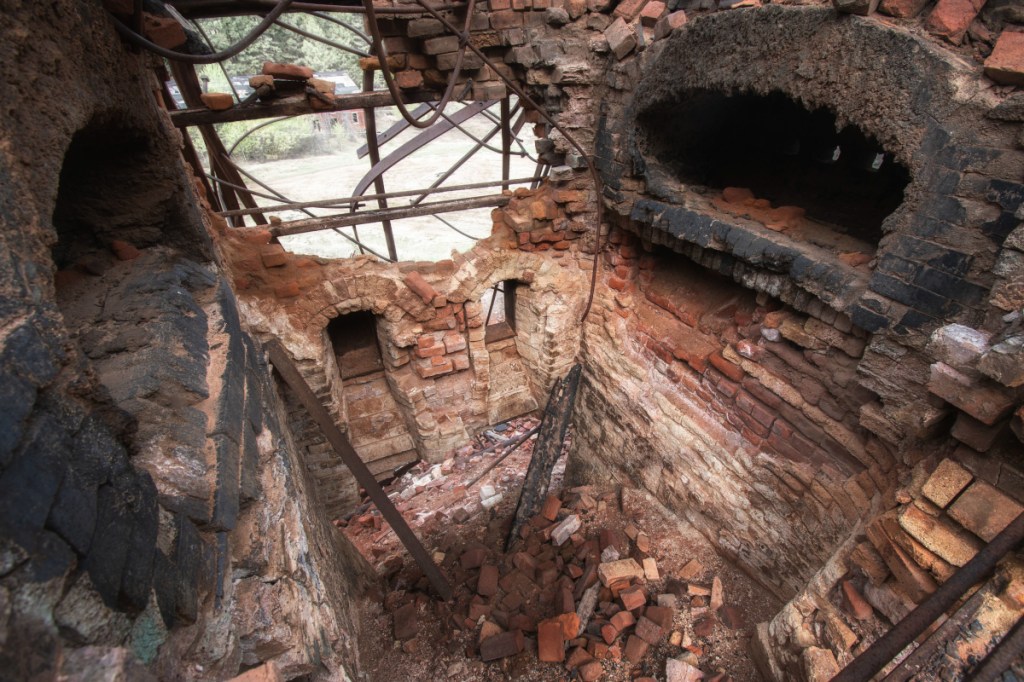
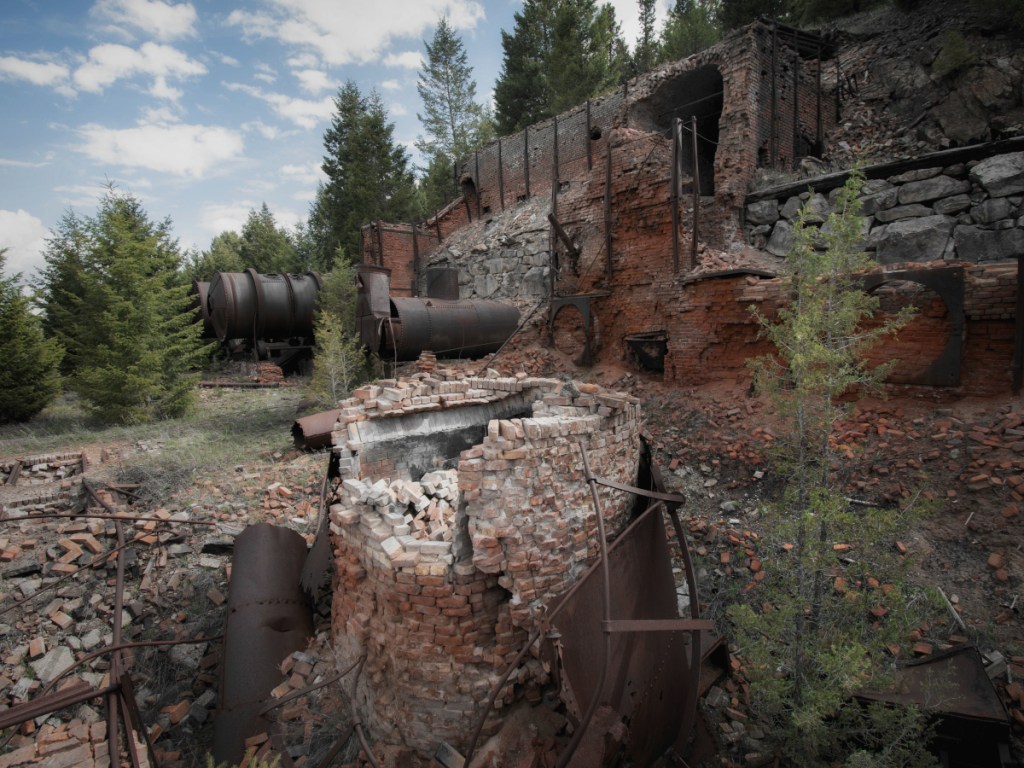
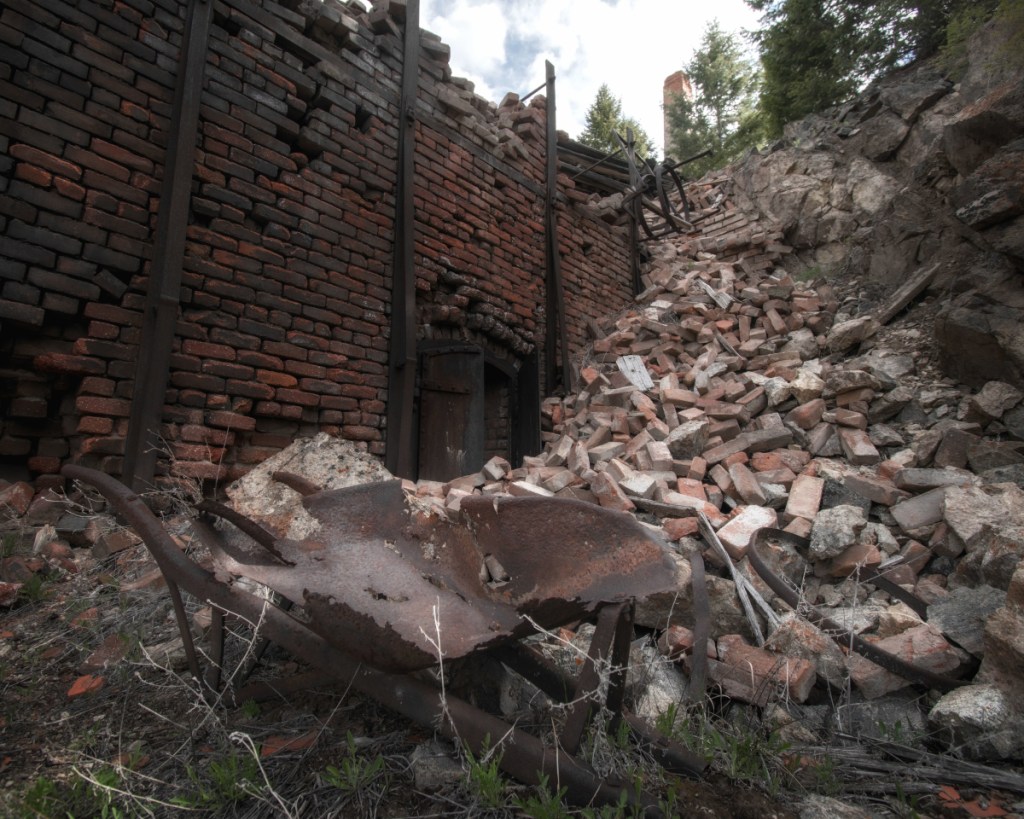
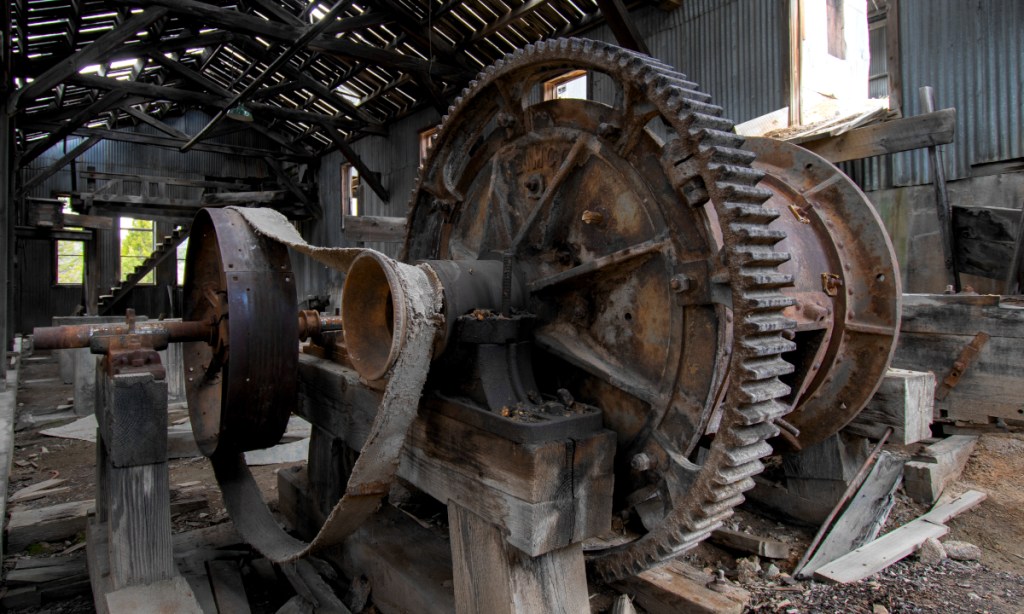
Furhter north and west in the state we found this stamp mill. Not a mine in itself, mills like these were where the ore was taken first to be ground down and processed.

.
.
.
.

.
.
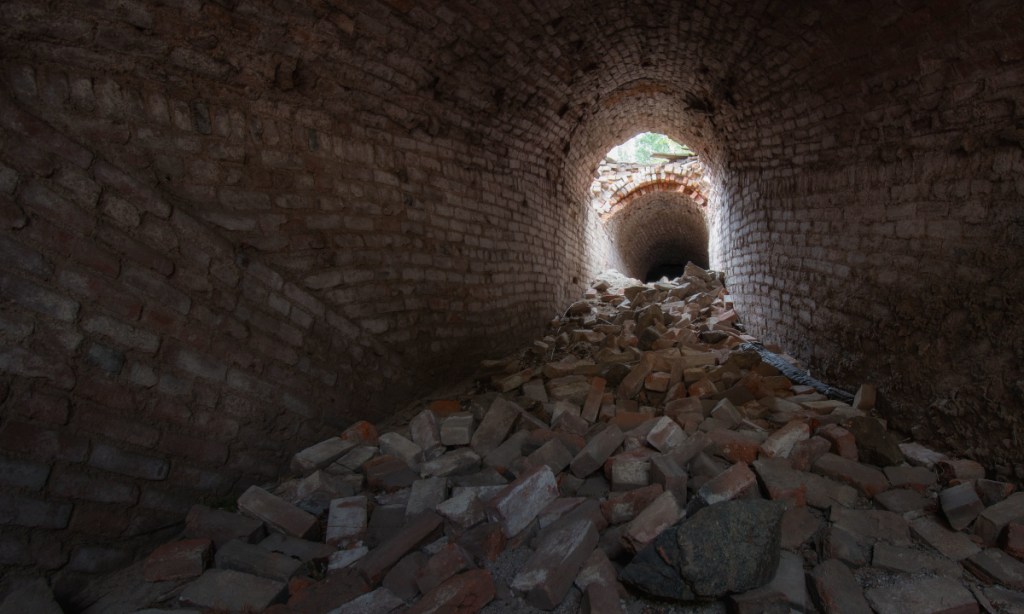
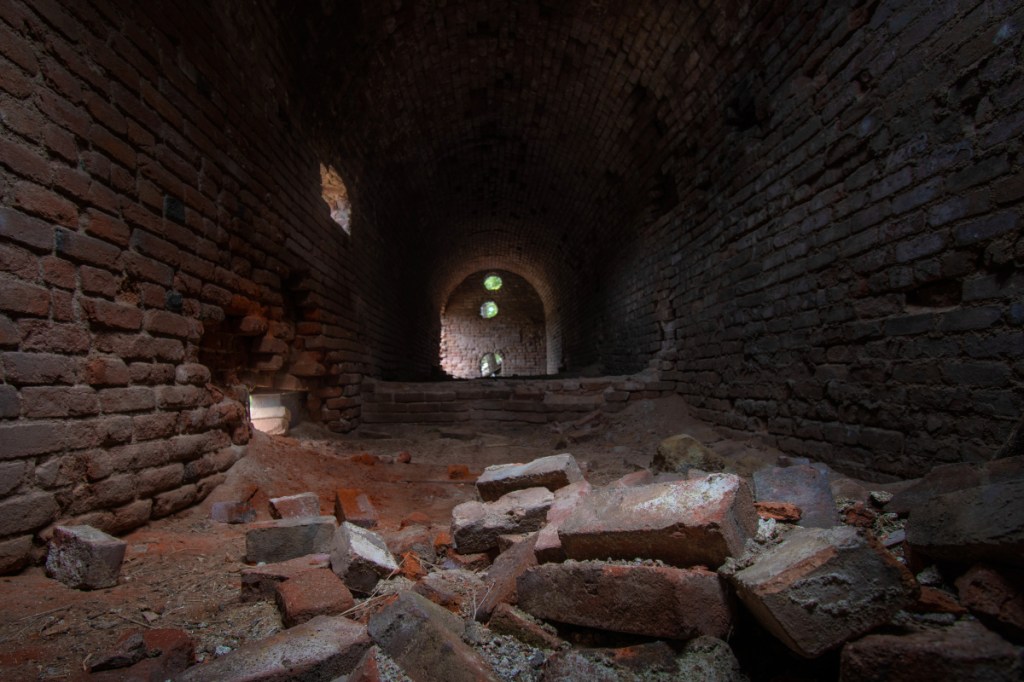
The two smokestacks visible in the first image above were quite a bit higher up and set back from the hillside where the other machinery was. The kilns on the lower part were connected to the chimneys via tunnels that ran diagonally uphill just below the surface. I’m not sure what the reason was for these subterranean chimney extensions, but after the scramble to get to the top of the hill, they made for relatively easy and scenic paths back down.
.
.

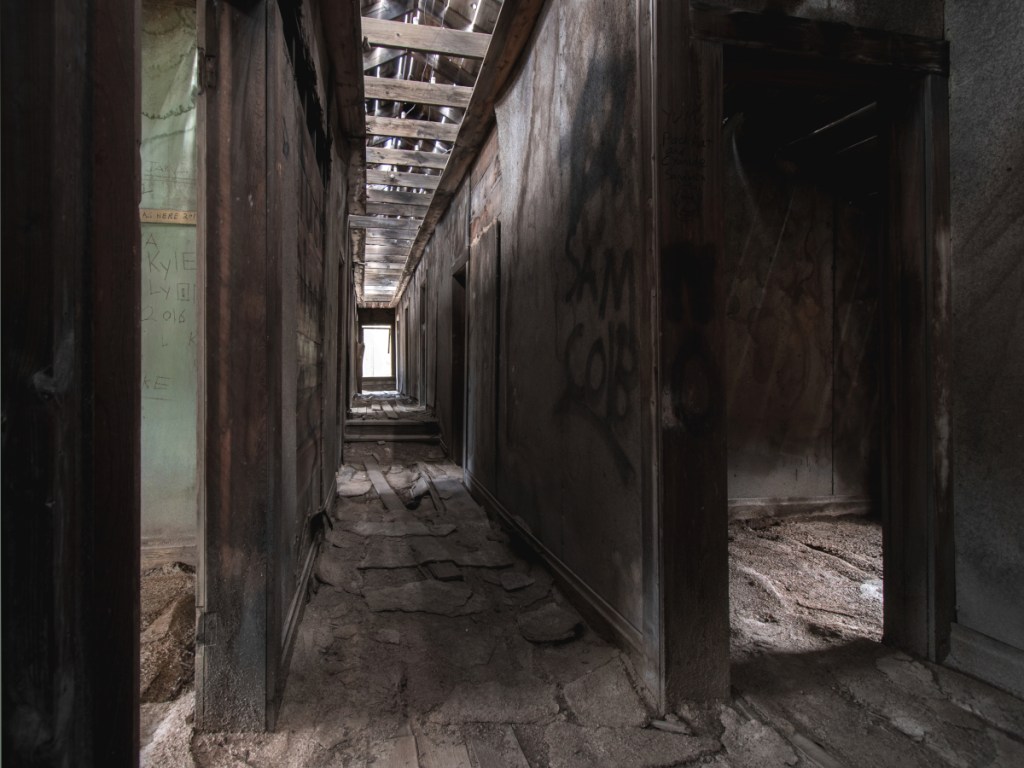
Finally, we had to really get off the beaten track to get to some of these facilities. In some cases, they were fairly large operations, with dormitories for the former workers and many outbuildings, such as this former mining town a bit north of Butte.

.
.
.
.
Some towns, like Elkhorn or Granite, were essentially ghost towns preserved to show what the mining industry might have looked like a century ago.
.
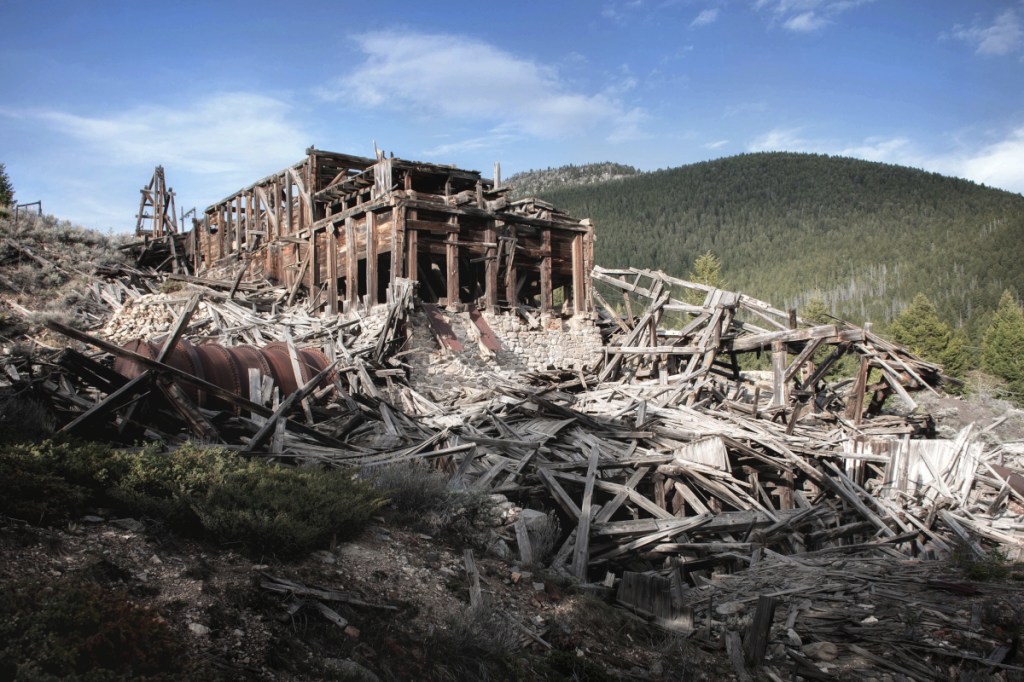
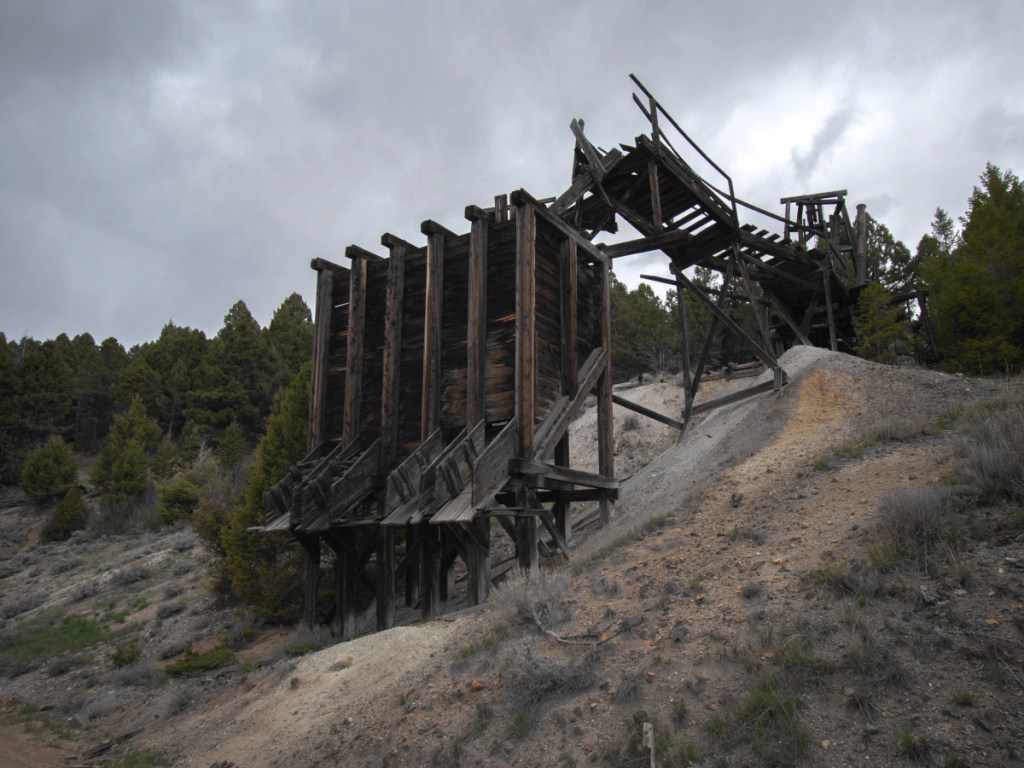
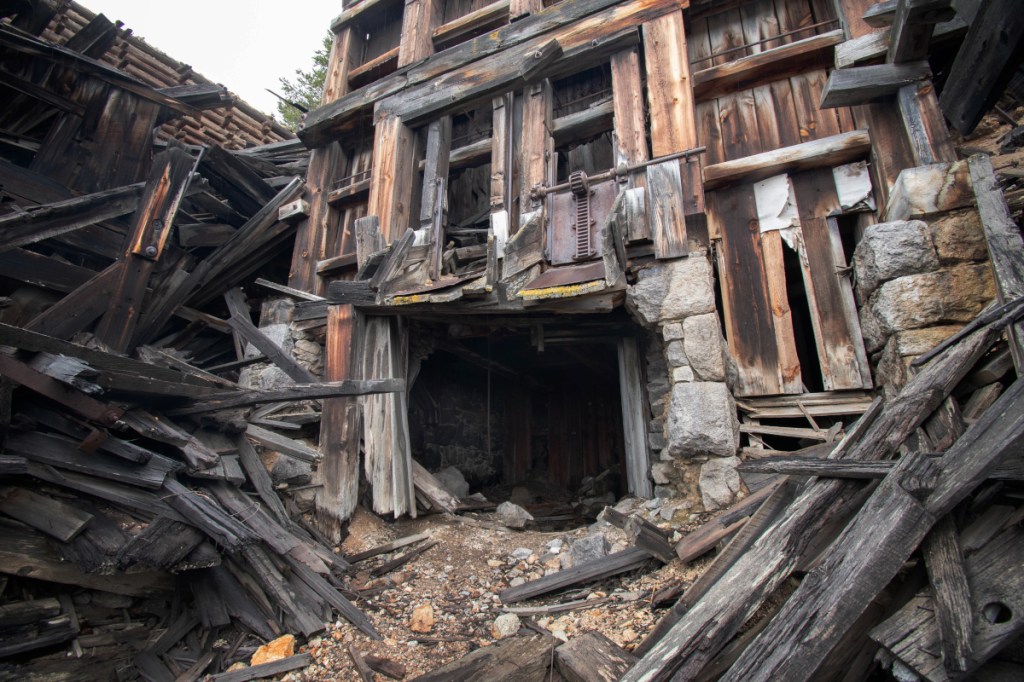
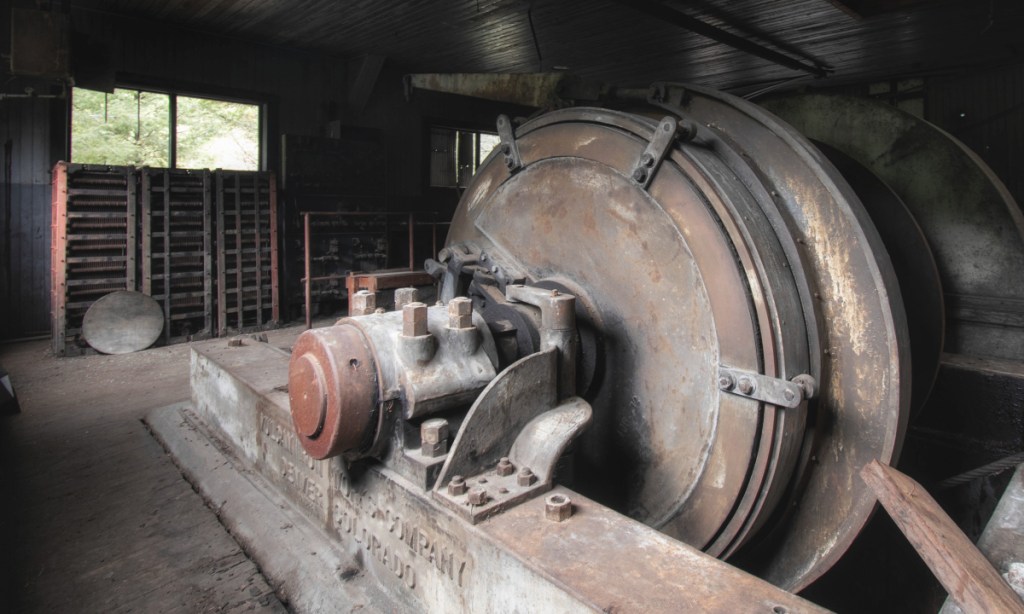
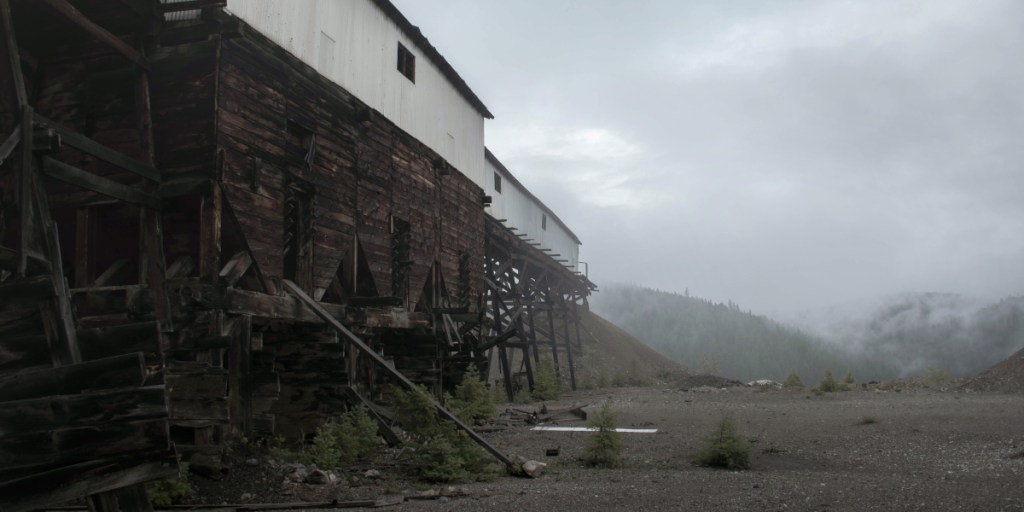
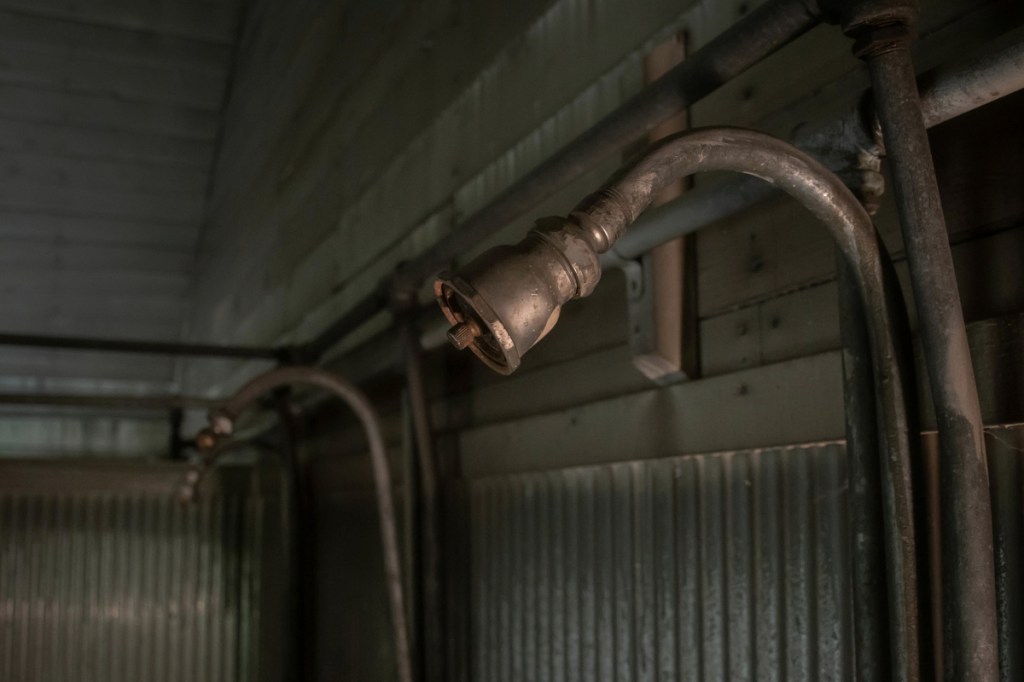
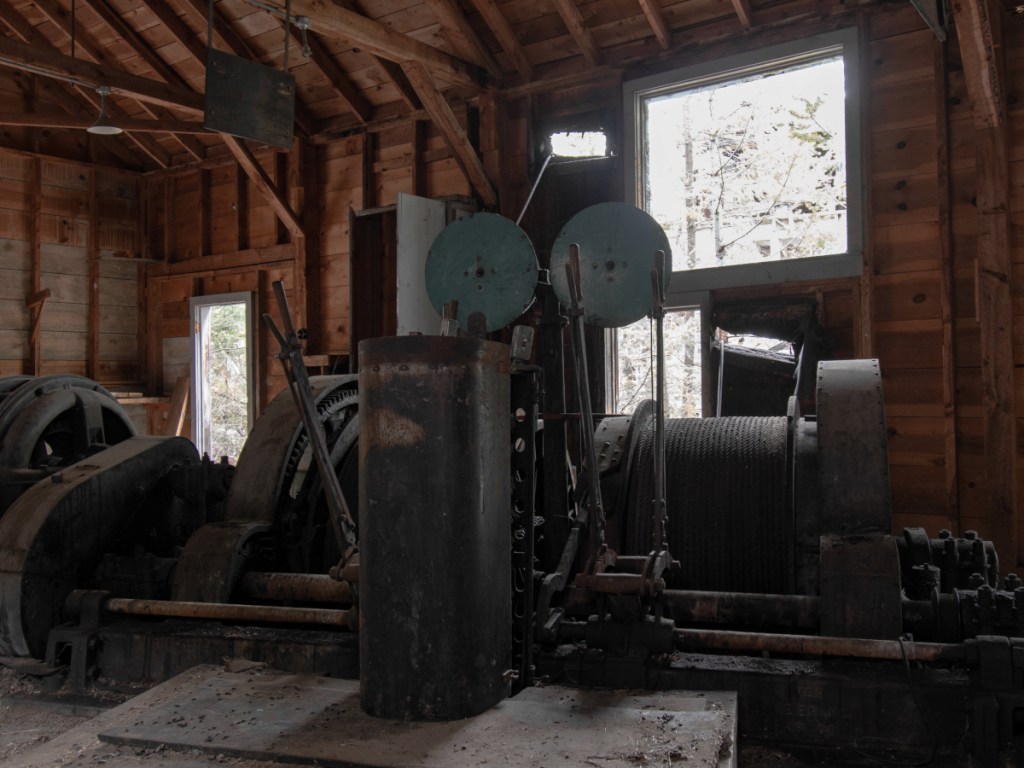
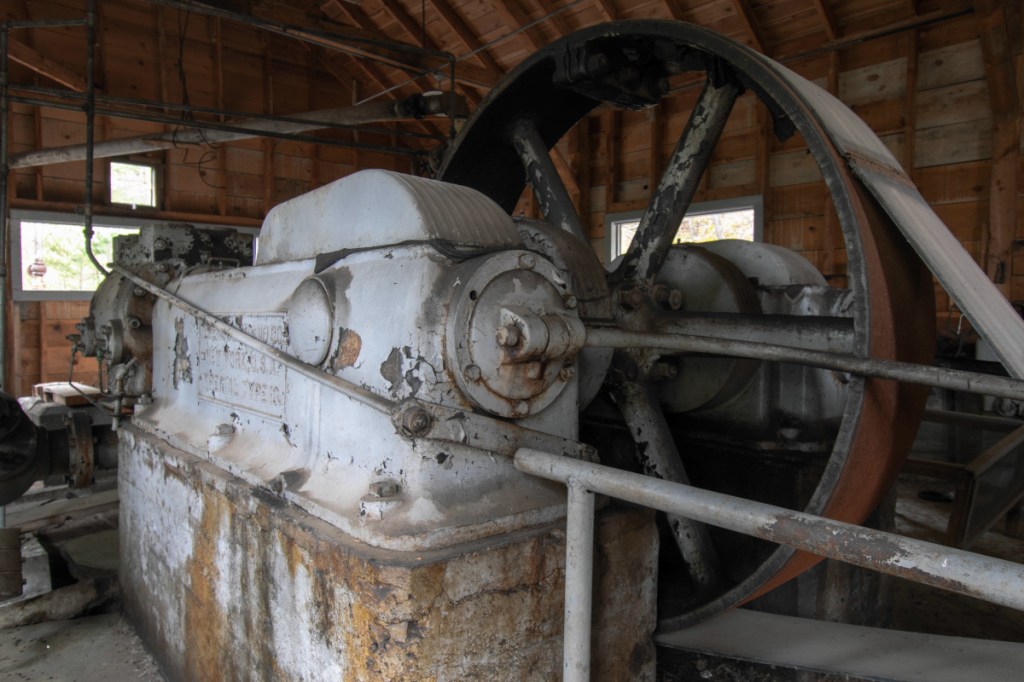
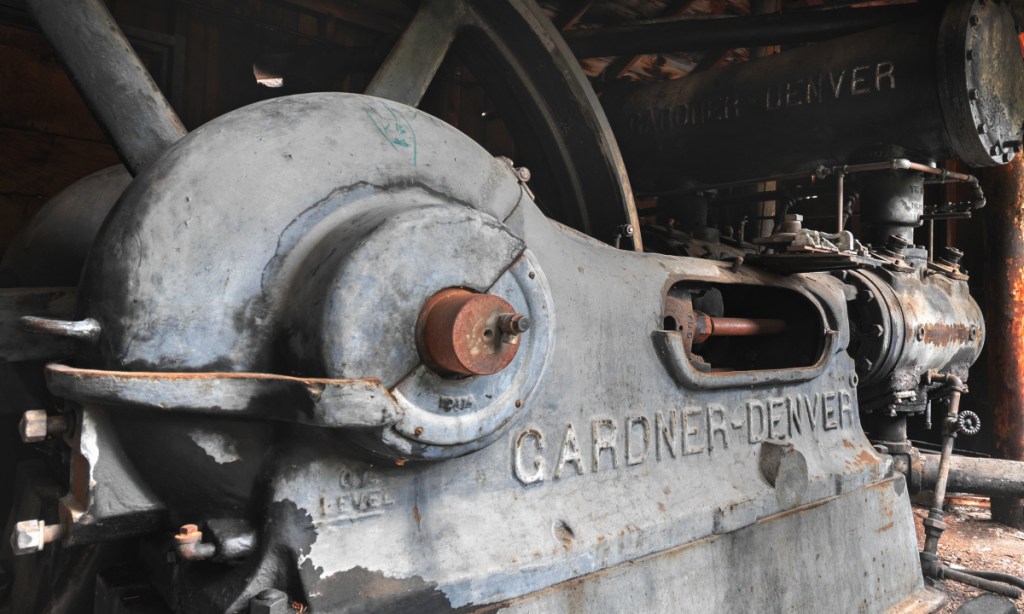
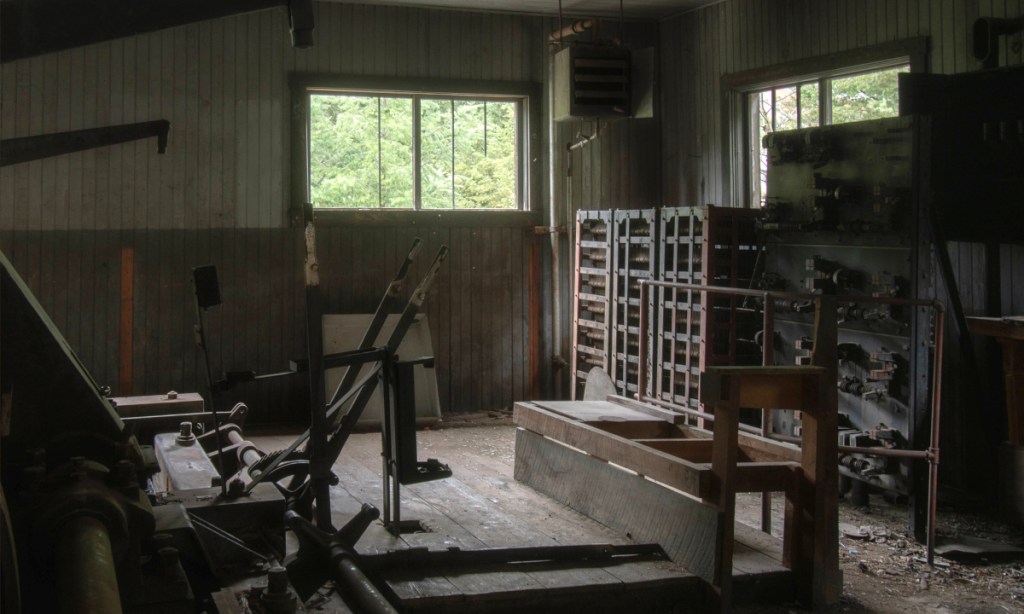
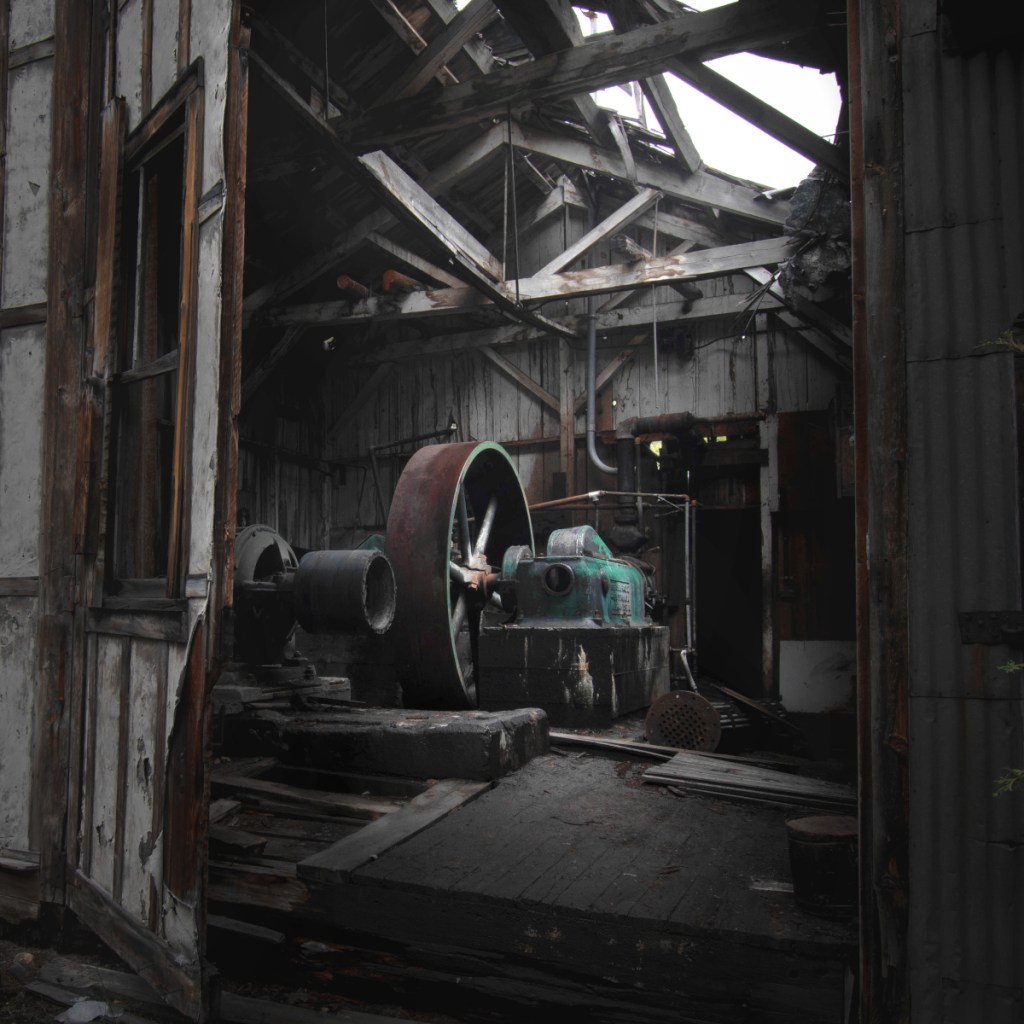
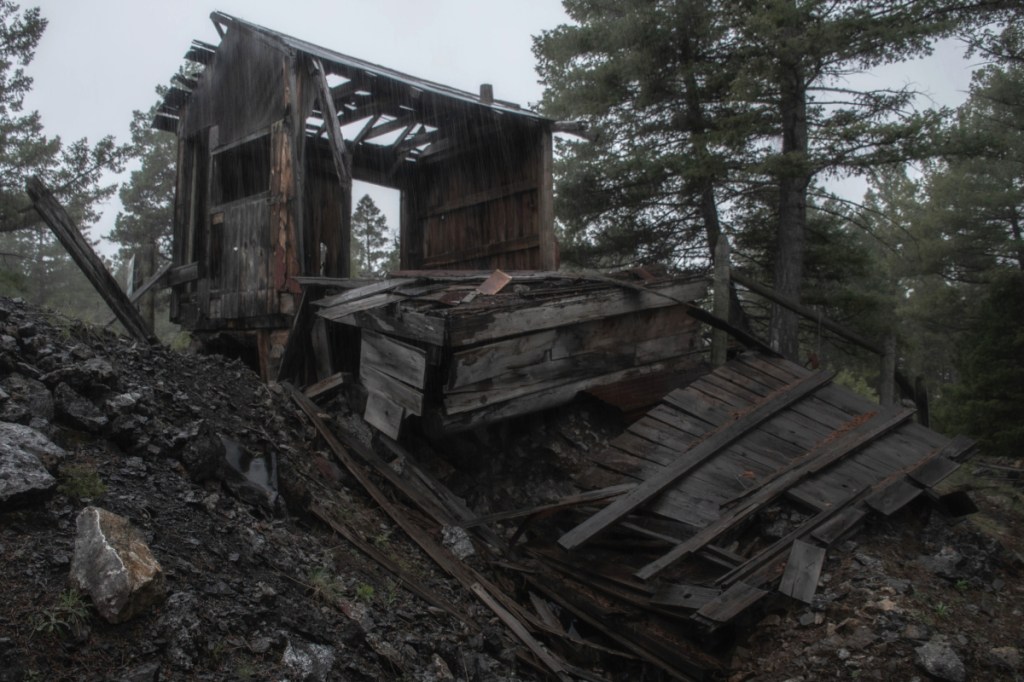
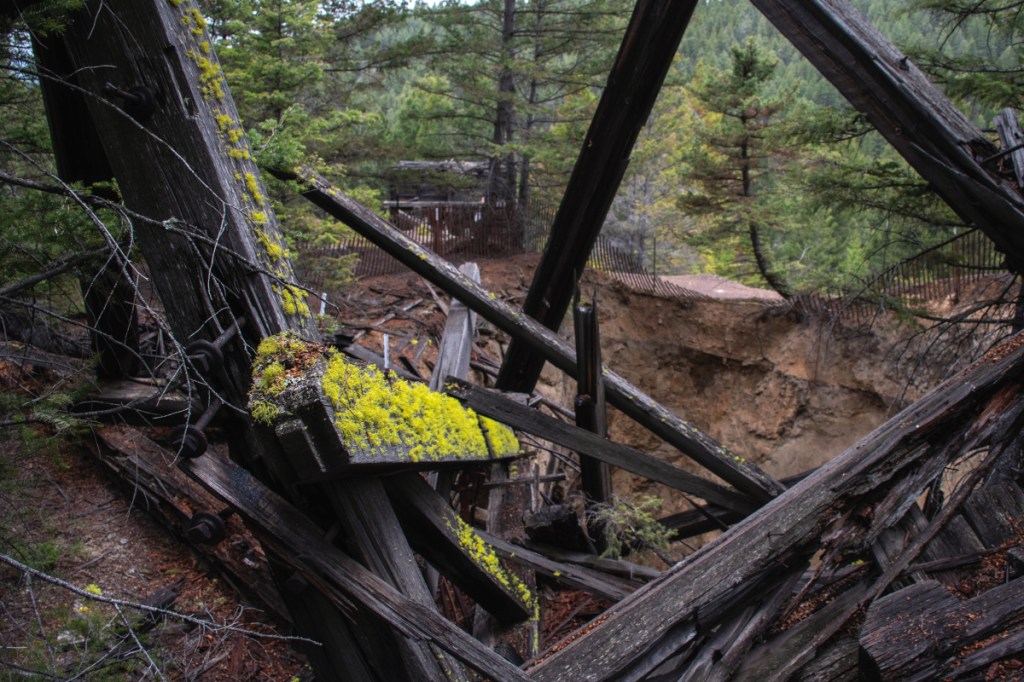
Finally, countless smaller scale abandoned mines dot the rugged mountains of western Montana. Getting to some of these was an adventure in itself, with the rough off road trails leading to them testing the limits of what my small SUV could handle. Some still had been decent sized operations, as evidenced by outbuildings offering the relative luxury of showers and locker rooms, while others were not much more than a small head frame over a hole in the ground. These last seemed to be examples of what I read described as “artisinal mining”, a word combination I had not imagined possible, but essentially describing very small scale mines run by an individual or family.
.
.

.
.

.
.
.
.
.
.
.
Finally, on a grey, drizzly morning, we stumbled upon this sign. We were a bit puzzled, as it seemed perched on a hilltop with no mines visible around.
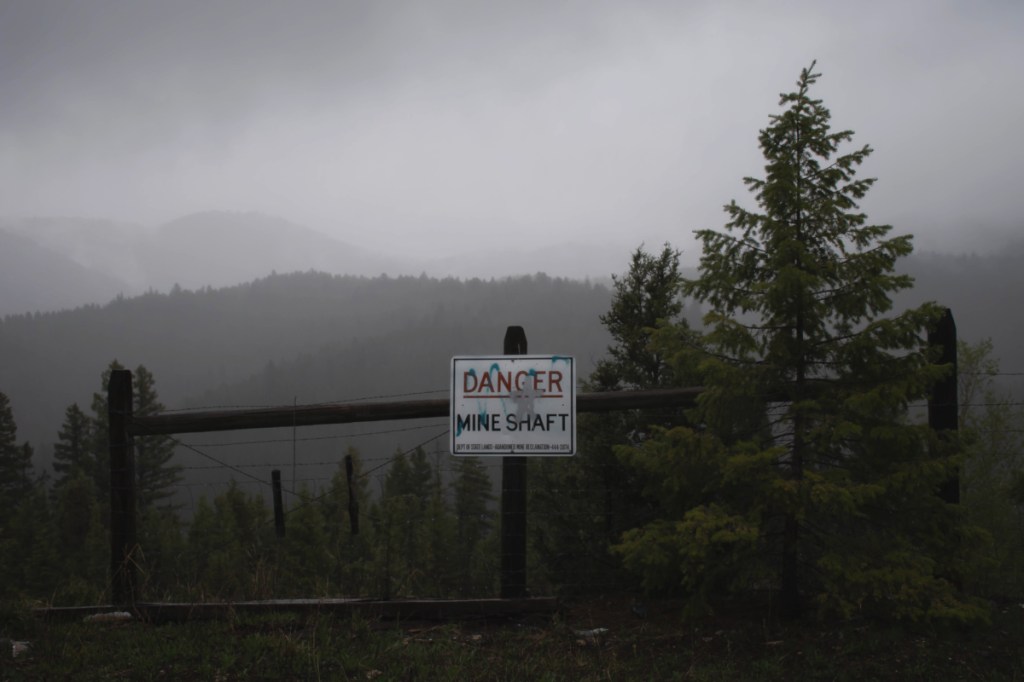
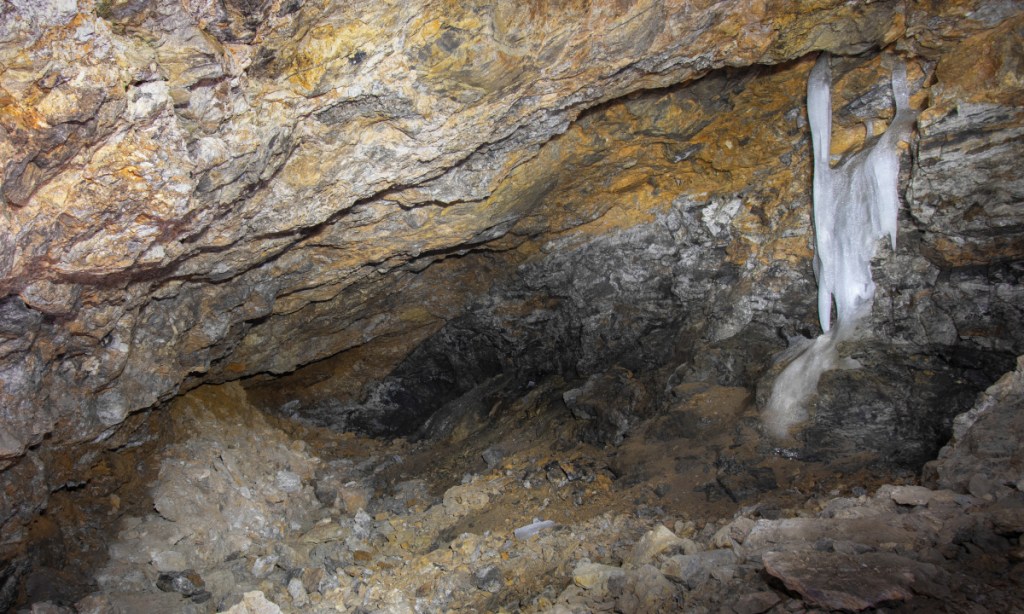
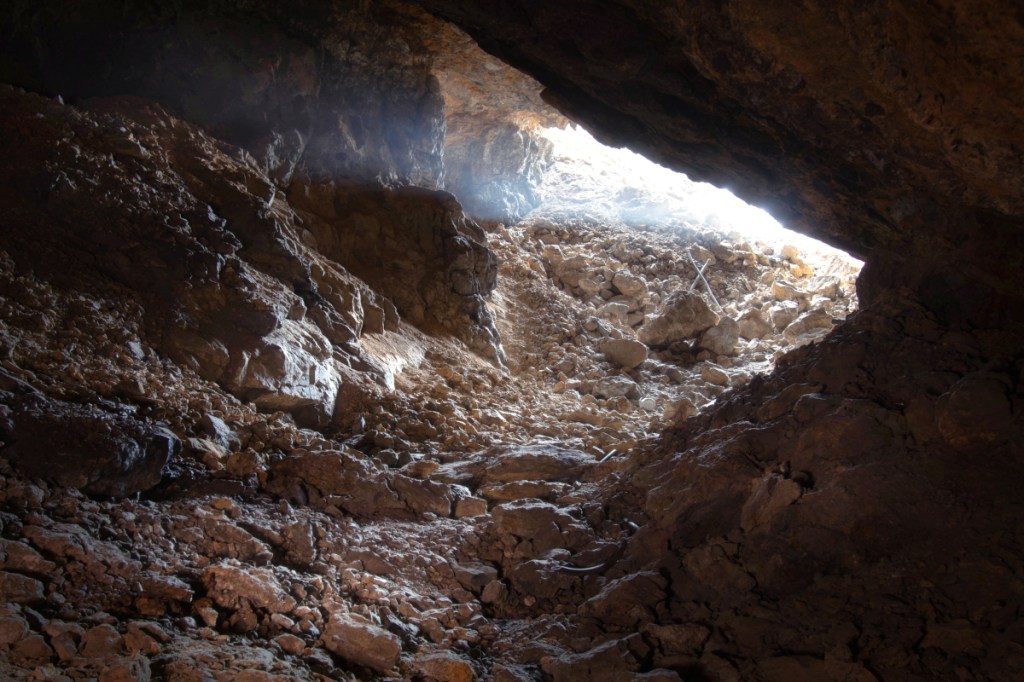
As we hiked past it and downhill, we came around to the hillside in which a mine shaft opening was clearly visible. Moreover, it seemed to be easily and (relatively) safely accessible. So I’ll end this post here, inside the only underground portion of a mine we were able to gain access to. The first shot made me regret not posing in it; without a frame of reference it’s tough to make out what one is looking at here, although I believe the icicle mass in the right of the frame was about four feet tall. It’s about halfway down the approximately 200 foot long, gently sloping horizontal shaft. The dark patch is the deepest end of the mine. The second shot is looking back towards the entrance, the fog visibly hanging at ground level even as the floor of the mine drops away from it.
.
Thank you for stopping by! More Montana photos to come.
 T A B U L A R A S A photography