
What makes an abandoned place worth exploring? Sometimes I’ve seen photos of places that have been shuttered so recently that there isn’t much distinguishing them from active sites other than the lack of people in the shot. On the other hand, very ruined places are often so far gone that any signs of their original uses have rotted away. Unless the remaining architecture is interesting, this too doesn’t leave much to photograph.
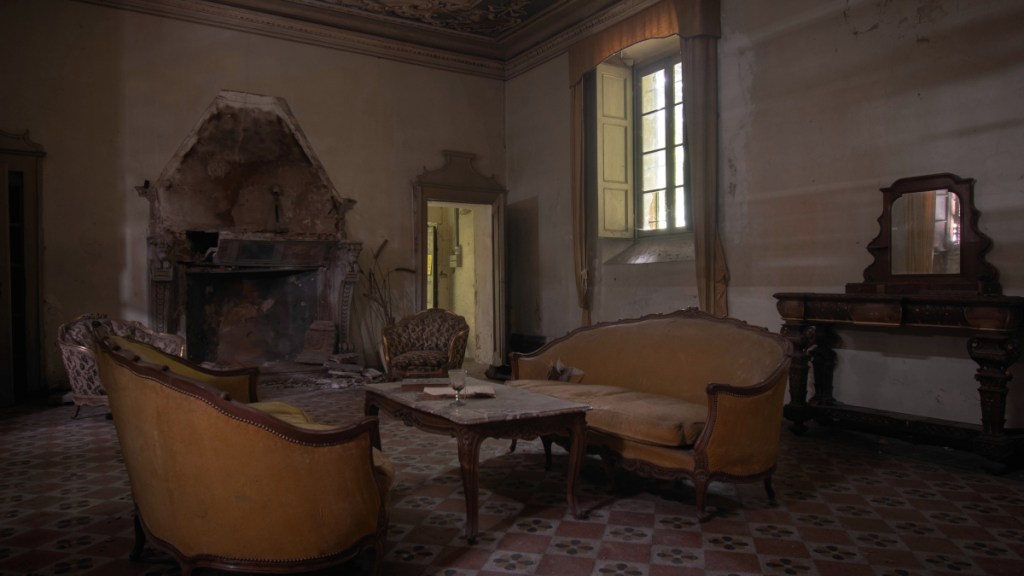
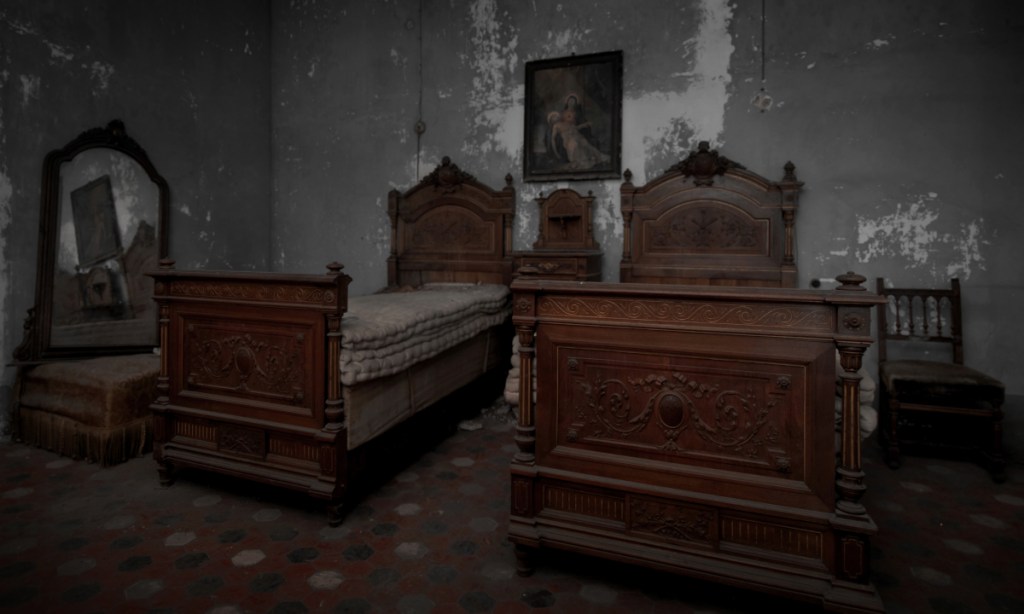
The ideal situation is the “time capsule”, a place left intact and furnished, but slowly mouldering away. These places are rare, but we got to see one in Italy, and the others we saw still had enough left behind to show what life for the Italian nobility and upper class looked like decades or even centuries ago. Here’s what that looked like.
.
.
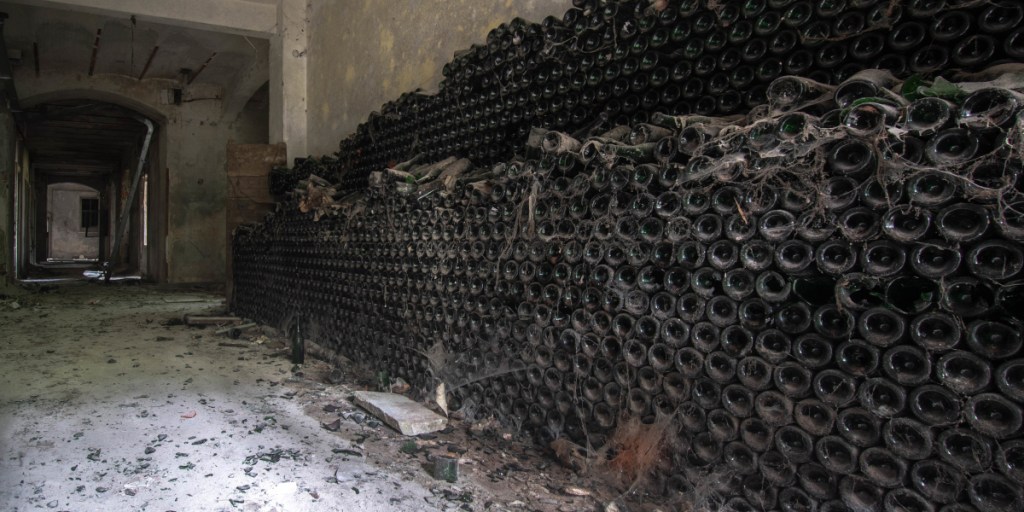
Above and below: shots from a vineyard estate, with empty bottles waiting to be bottled and a cellar full of wine arranged by vintage. As tempting as it would have been to take one, they all looked like they had at least partially evaporated off, indicating the remaining wine inside had probably skunked.

.
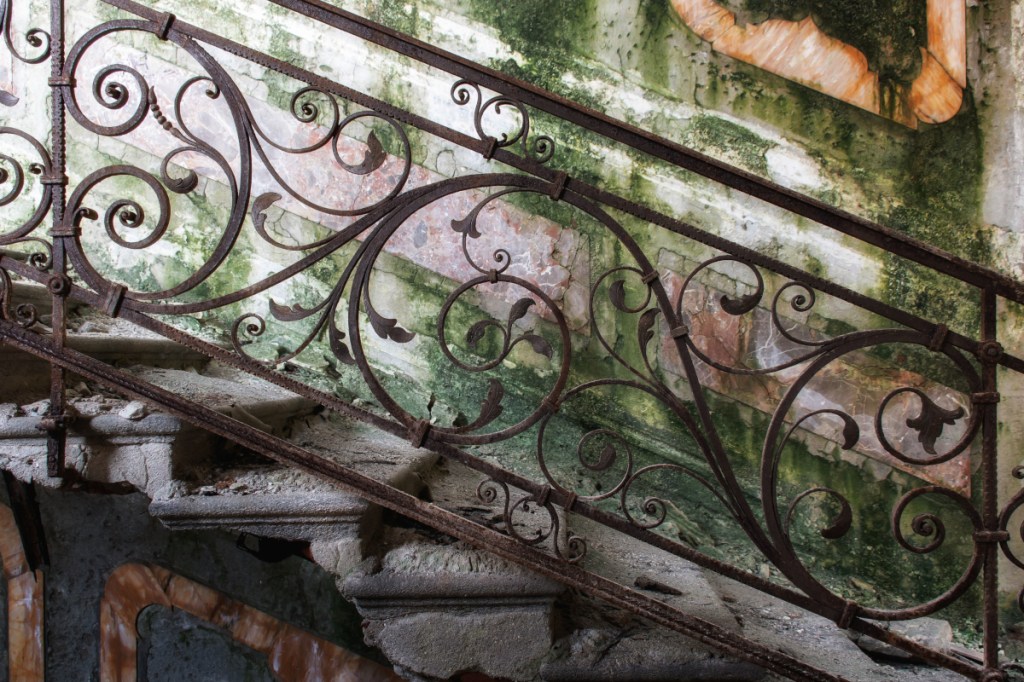
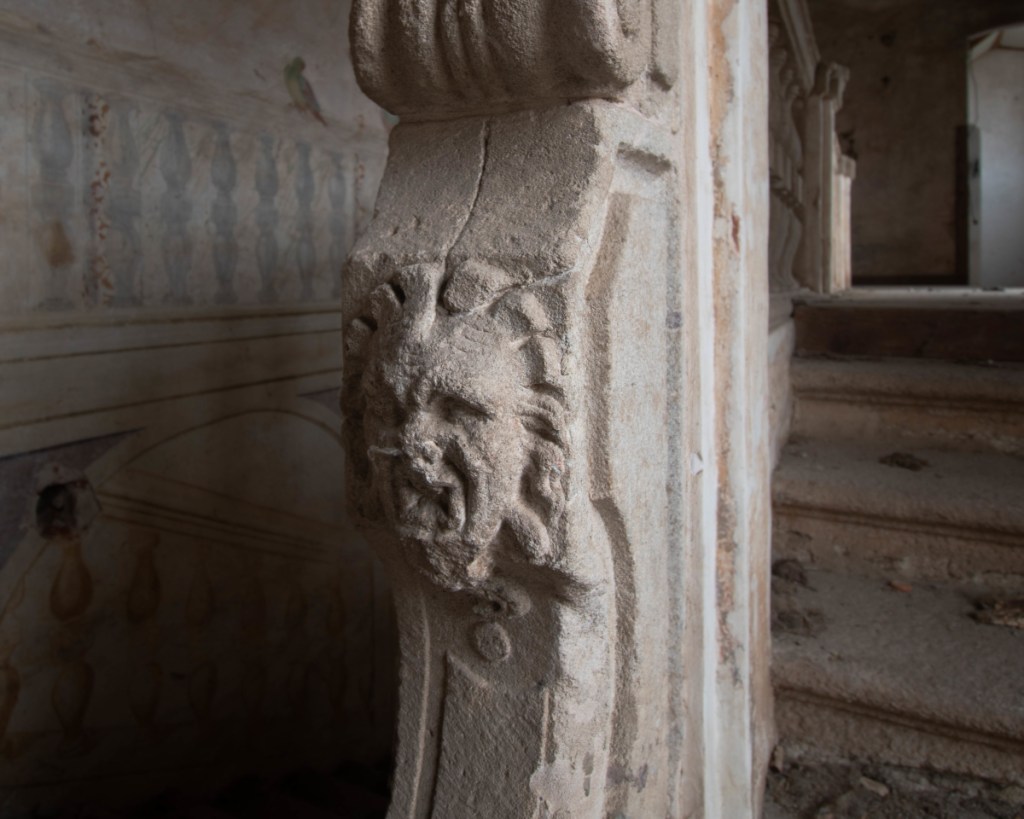
Below: architectural details from a couple villas.
.
.
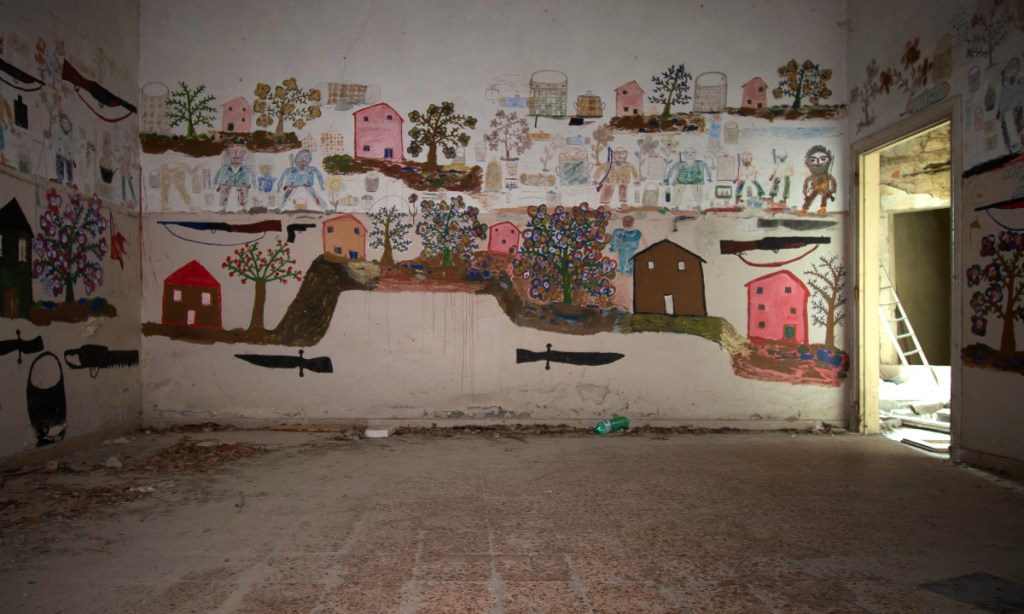
I alluded to this in an earlier post. These drawings were in a villa later converted into a psychological facility, suggesting that it was perhaps some sort of outlet for kids traumatized by war, but I can’t be sure.
.
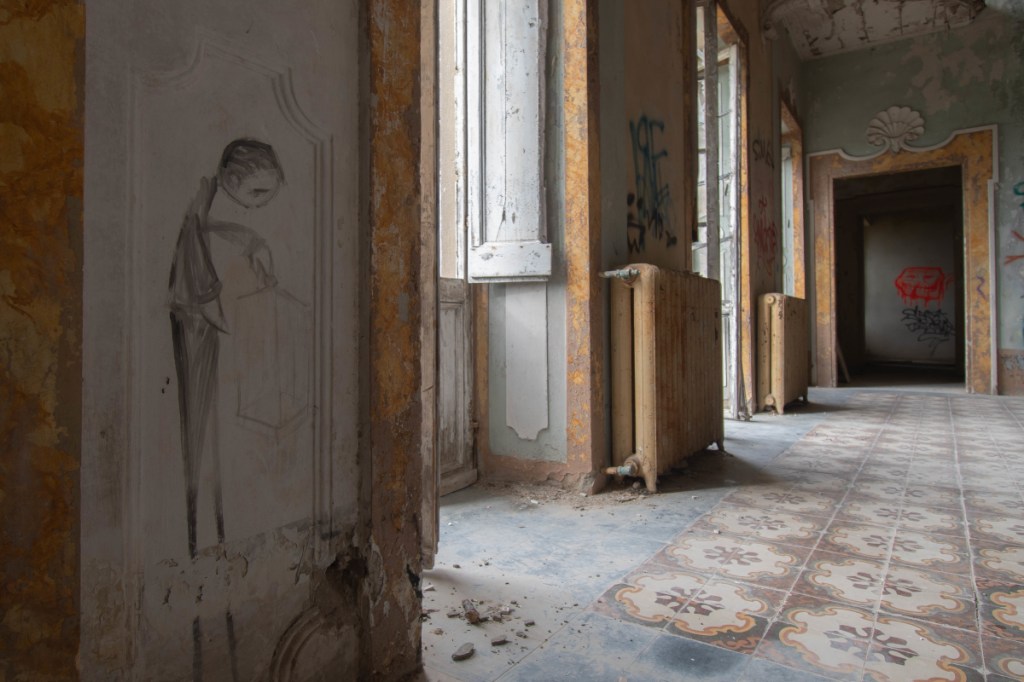
Below: I appreciate a nice bit of grafitti that isn’t penises or a just a tag, even if it was obviously added after the place was abandoned.
.
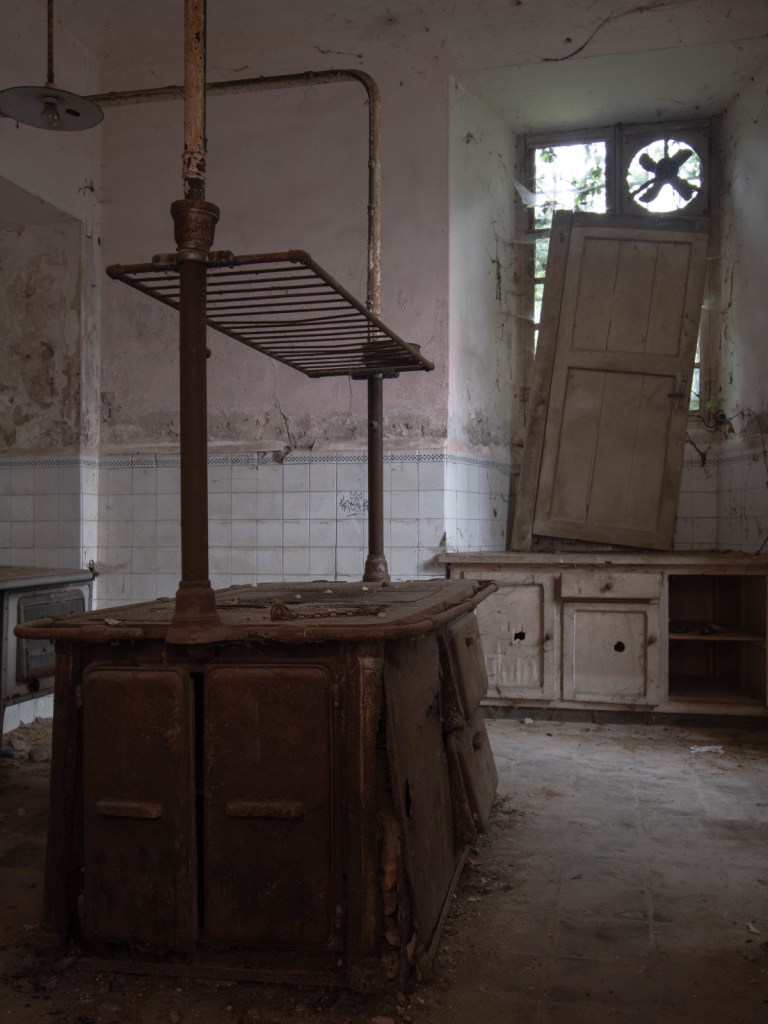
Next, an old kitchen with intact stove, as well as the aforementioned time capsule.
.

.
.
.
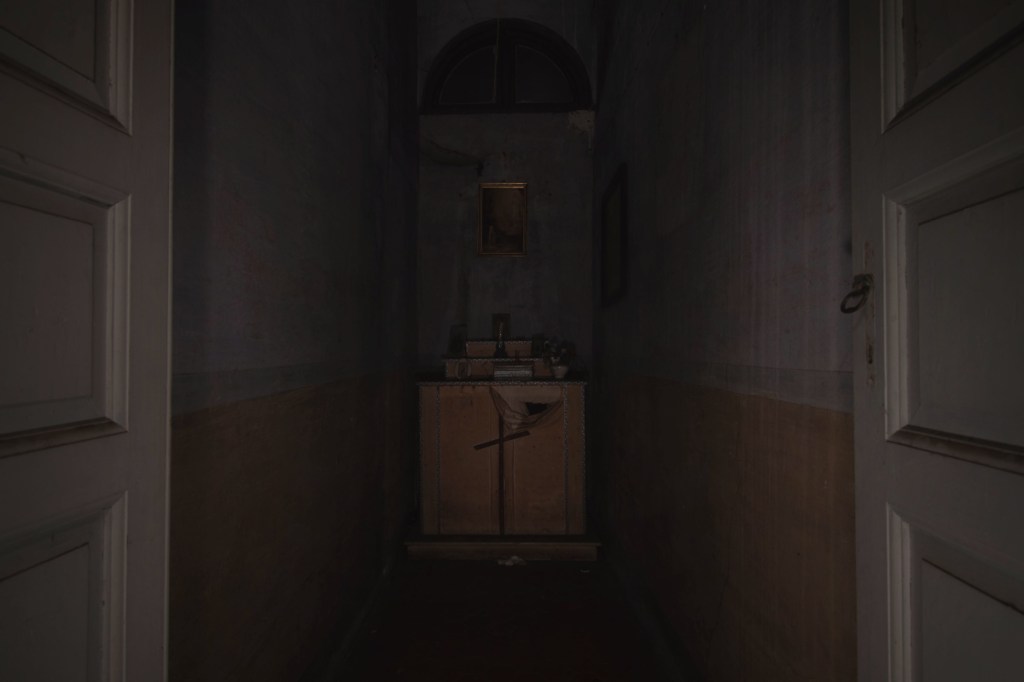
I’ll end on this little family chapel, in a space approximating a very deep hall closet. I lit it a couple different ways, but settled on this final edit which, though dim, I think best represents what you would have seen when you first peeked inside.
.
Thank you for stopping by! I have one last post coming up on this trip to Italy, about the more conventional sights we saw in between diving into abandoned buildings.
 T A B U L A R A S A photography