I am a first-generation Polish-American. Though born here in the States, I lived in Poland for a few years as a kid, speak the language fluently, and know the history and culture pretty well. Most of my family is still in the old country, so visiting offers a chance not only for tourism but to catch up with relatives. My wife is not Polish, so when we go back together I try to break the week into halves: one spent in my hometown, the other showing her some of the sights around the country. This post is about the latter, as we spent a few days in the jewel of Poland’s Baltic sea coast, Gdańsk.
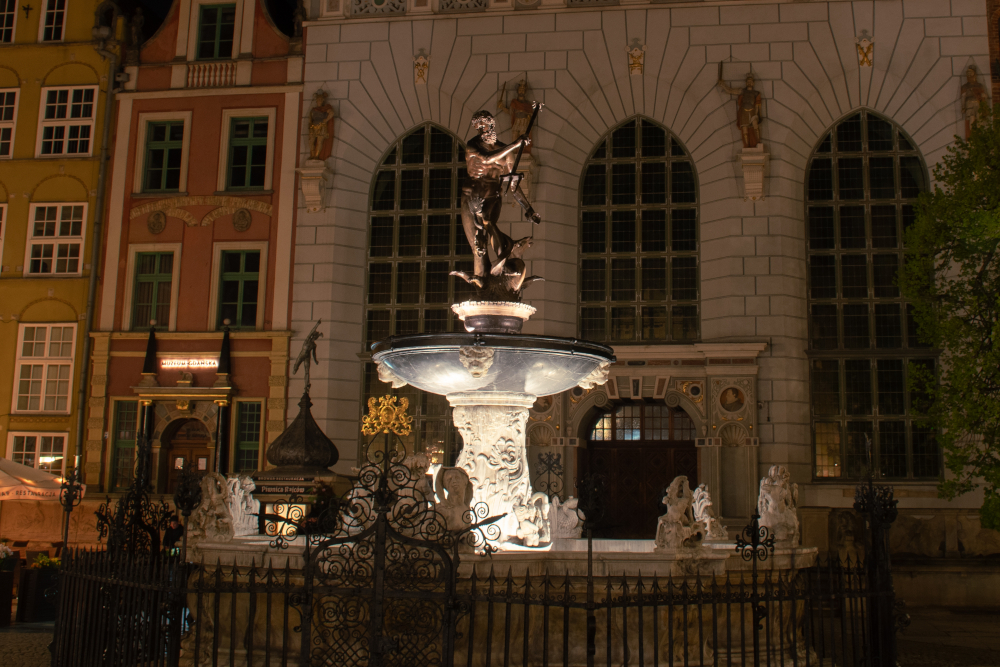
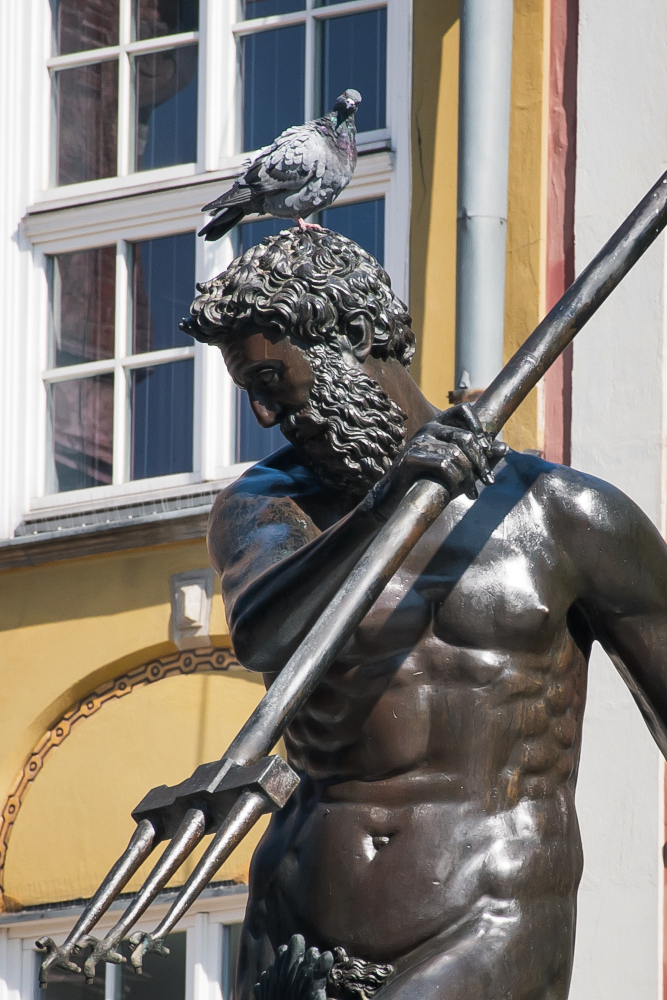
To start, the city has a colorful old town. Its iconic Neptune Fountain is a tribute to its seafaring heritage, as well as a symbol of the city recognizable to all Poles. Below is one shot of the fountain taken my first night in town, and one daytime shot taken later with a cheeky pigeon perched on the god’s head.
.
.
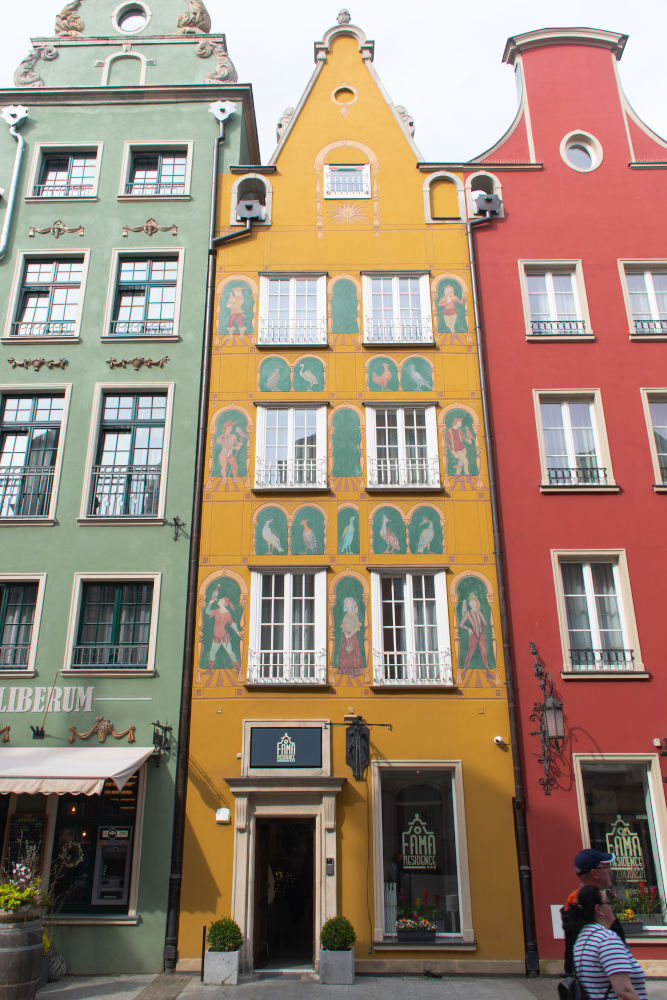
Gdańsk has always had an independent streak, likely because of its more cosmopolitan leanings as a port town and the connections to the wider world that offered. Its history has been heavily influenced by both Poland and Germany, as it had been part of each for long stretches of time. The German imprint is recognizable in the architecture of its colorful townhomes, two of which are seen below.

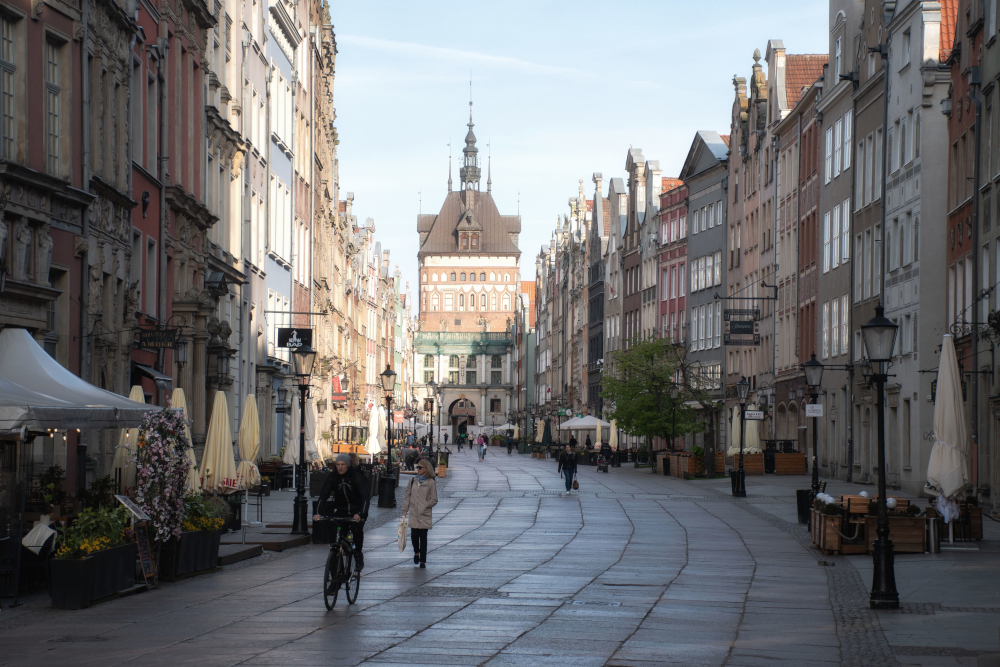
.

.
Mariacka street is noted for its shops, many of which are selling amber jewelry that the region is famous for. I took these shots early, before it filled up with tourists and shopkeepers.
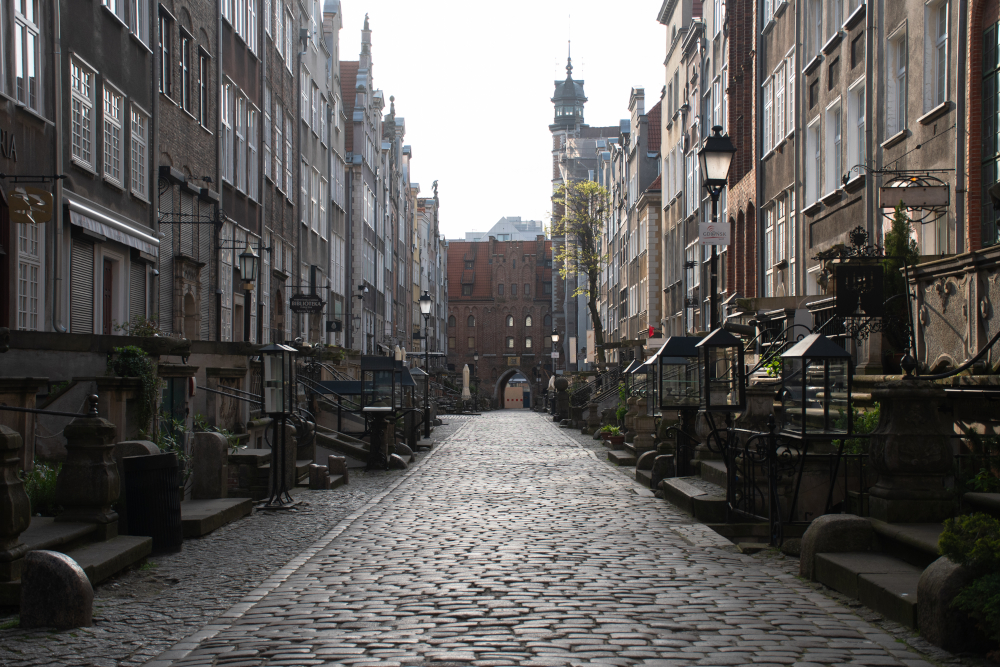
.

.
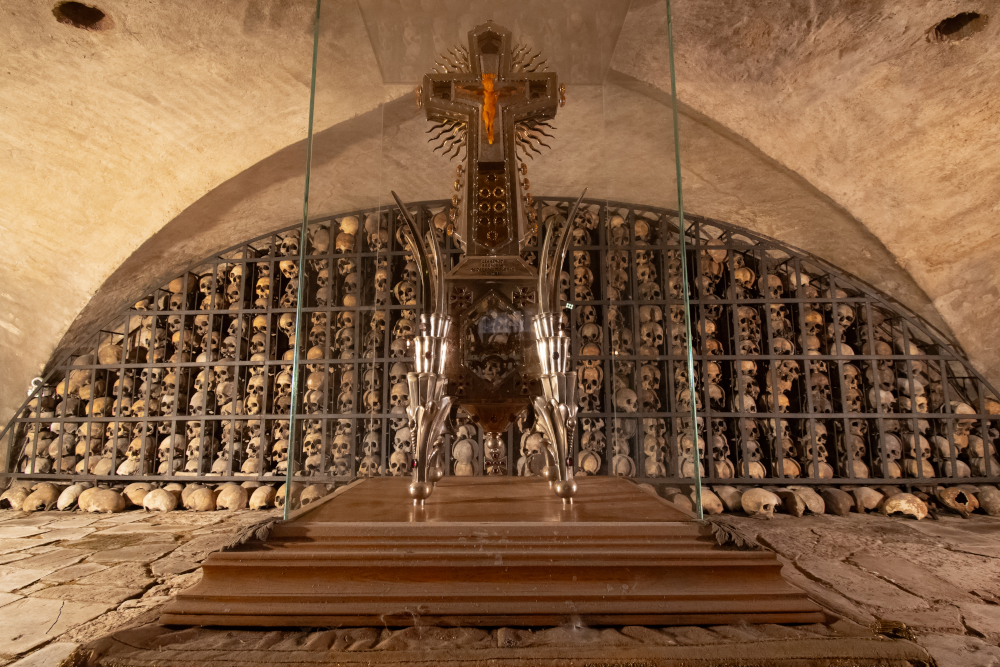
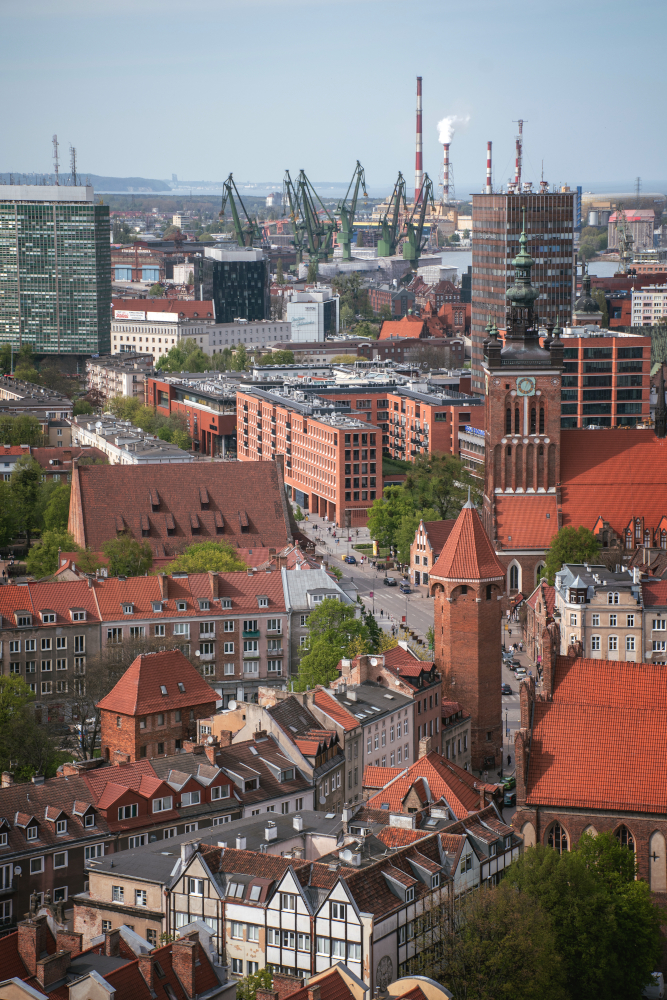
More sights from this town include the narrow alleyways, St. Brigitte’s church with its recently discovered ossuary, and a shot from the top of St. Mary’s church, looking north towards the cranes of the local shipyard.
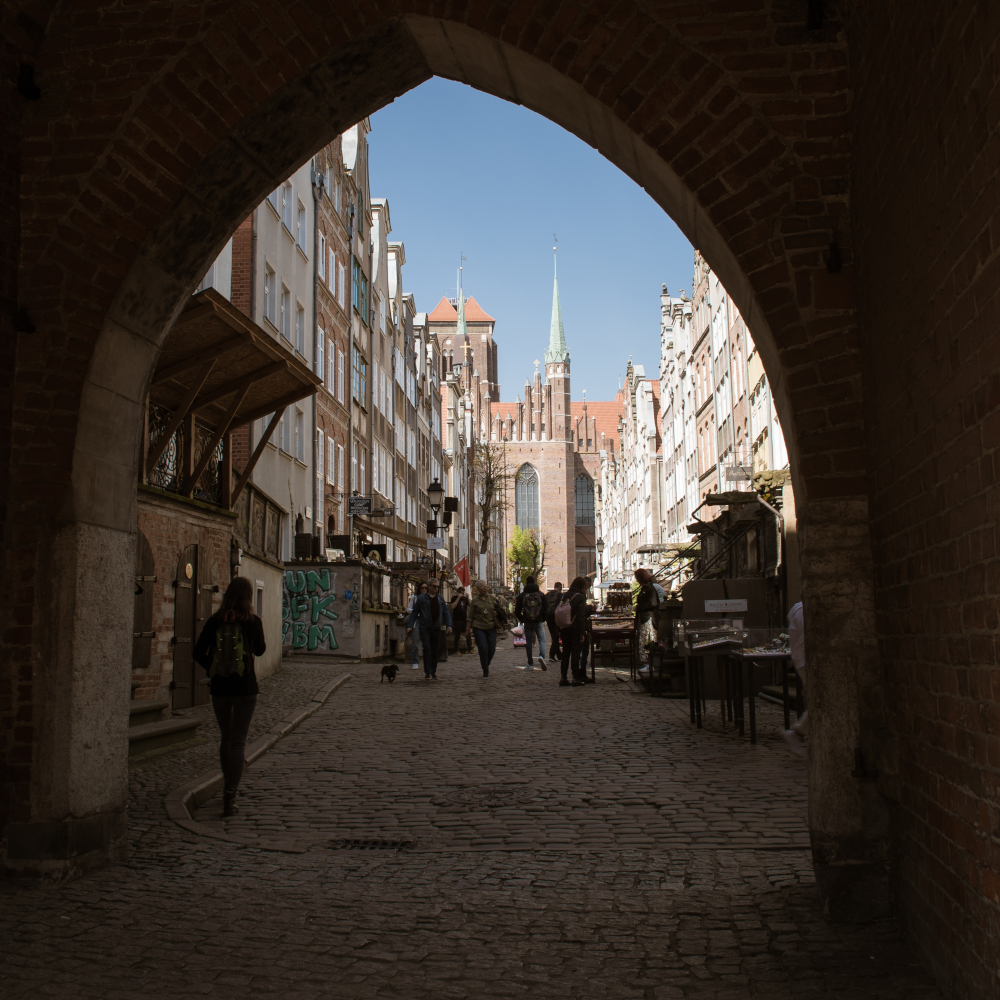
.
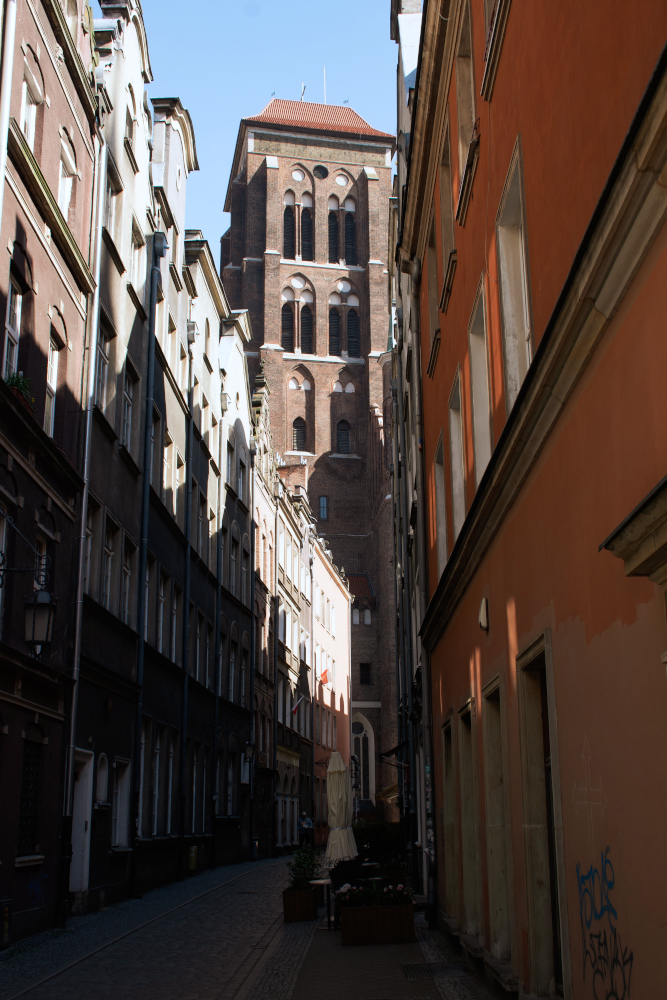
.
.
.
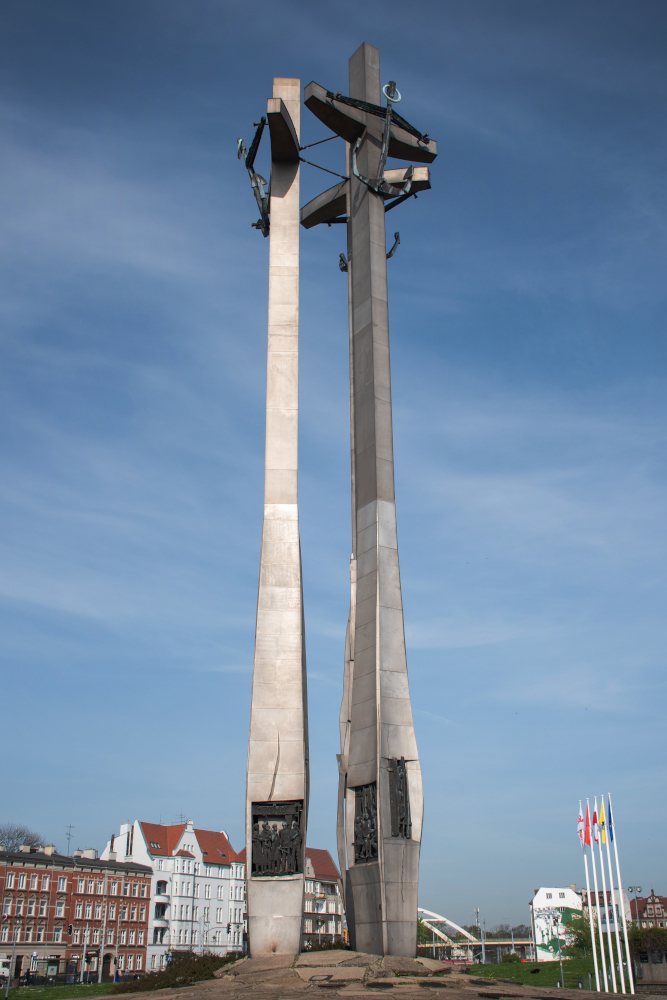
The city’s shipbuilding industry was key in the downfall of communism in the Eastern Bloc. A workers’ strike here was met with a brutal crackdown by the government, resulting in forty-four deaths. The discontent lay latent for a decade, until the same shipyard workers struck again in 1980, this time organizing the first independent trade union in the country. This union, known as Solidarity, (Solidarność in Polish), would bring the regime to its knees by the end of that decade and help set off a chain of revolutions across Eastern Europe and ultimately the Soviet Union. The Monument seen below in memory of those that gave their lives in those first strikes in December 1970.
.
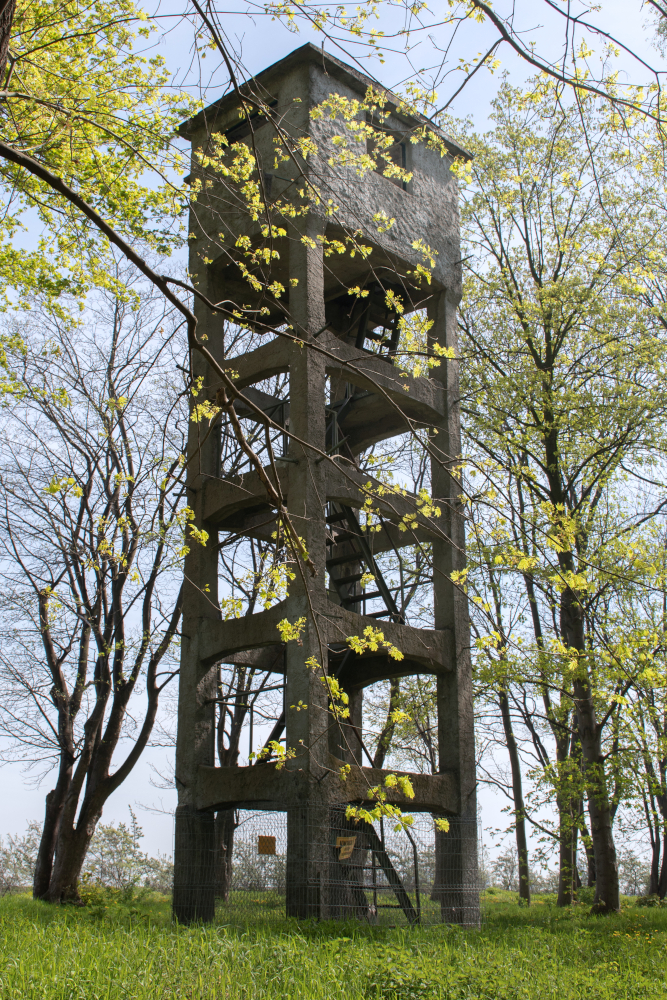
The city is also known as the site where the first shots of World War Two were fired. A small Polish garrison just north of the city on the spot where the Vistula river meets the Baltic was first fired upon by German forces at about 4:45 on the morning of September 1st, 1939. Remarkably, the force of less than 200 Polish troops held out for a week against a force ten times that size, also withstanding shelling from a battleship off the coast. It became a symbol of resistance to the Nazis, and was preserved after the war as a ruin park. Seen below is the main barracks building and an artillery sighting tower.
.

.
Thank you for stopping by! In the next post: some more shots of Poland, including my family’s hometown.
 T A B U L A R A S A photography