Bełchatów (pronounced Bew-hot-oof) is a midsized town in central Poland. It is not usually a tourist destination, but it happens to be where my family comes from, and where most of them still reside. Though born in the States, I lived and attended school there for a couple years in the mid 80’s during the height of the cold war. I have visited since, most recently six years ago, from which I made this post. It is always a welcome opportunity to visit family, and to show some of the country to my wife, who is not even a tiny bit Polish. On that last visit I spent more time walking around the town itself, whereas this time, I was lucky to get to see some things further on the outskirts that I had never seen before. But I figure we would start with a little bit of history.
The town is first mentioned in historical documents in the 14th century, but most of its history isn’t particularly riveting. By the 19th century, it had about twenty-six hundred residents, of whom two thousand were Jewish. The local Jews were responsible for most of the local economic development into the 20th century. The German occupiers during the second world war put an end to that, declared it a “Jew City” and set up a ghetto there that lasted for about a year until it was liquidated. The population dropped during the war years from around ten thousand to half that.
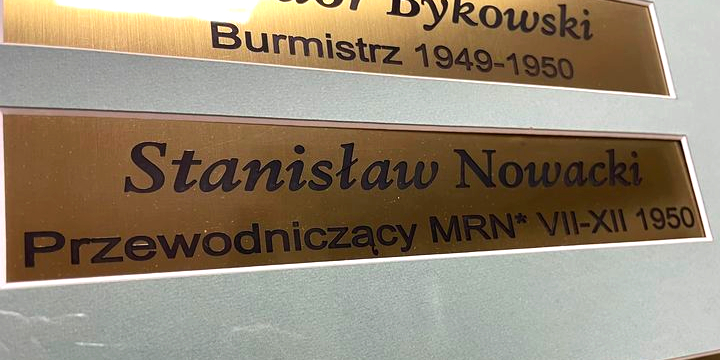
Like much of Poland, Bełchatów began rebuilding from the war in the late 40’s and 50’s, and I learned that during this time my grandfather had briefly been the mayor. When I visited last month, I stopped into city hall, where I heard there was a plaque listing all the mayors going back to the late 19th century. Sure enough, there was his name! He governed during the height of Stalinist repression in the country, and the story I heard from my family was that he was relieved of his duties for not kowtowing to the Communist party enough.
.
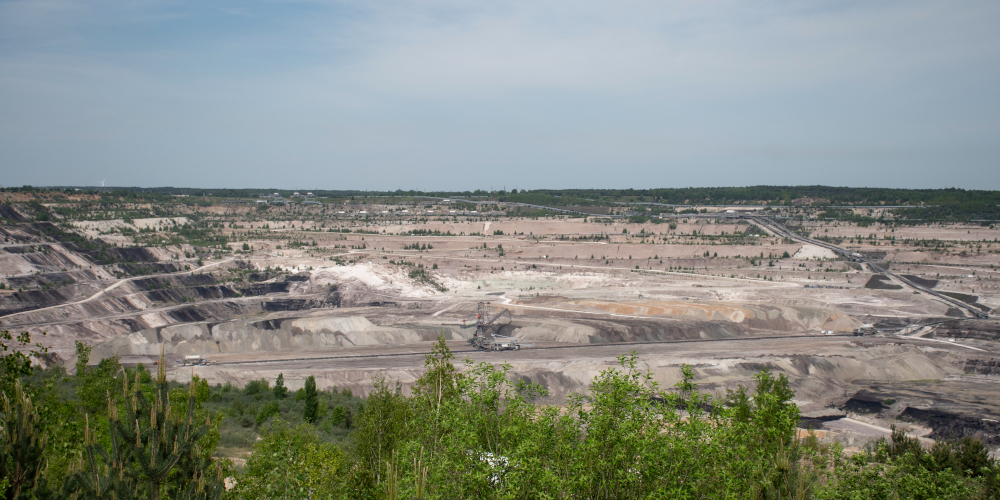
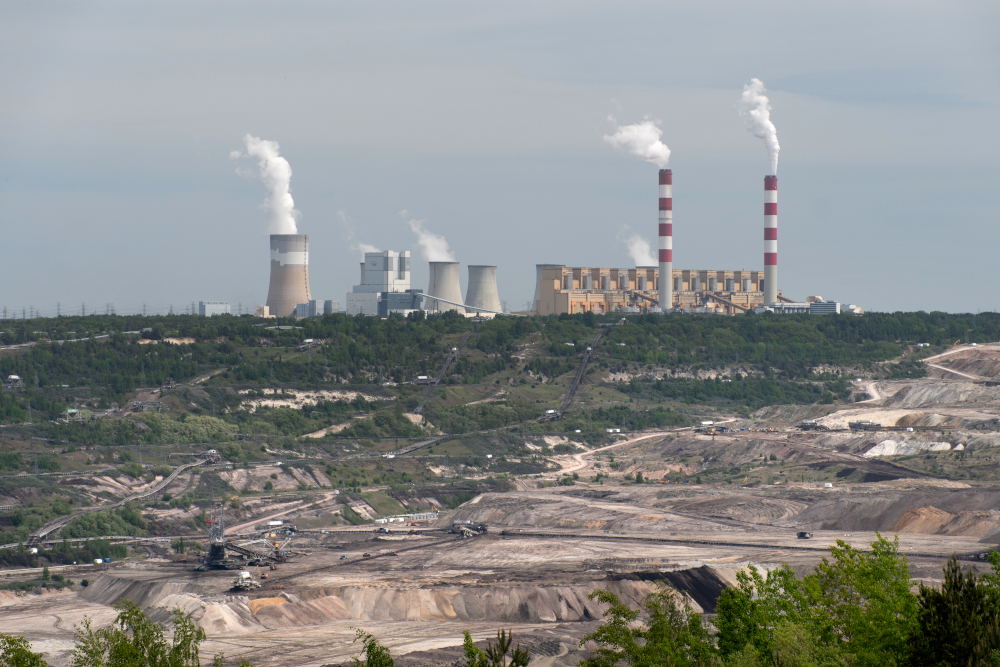
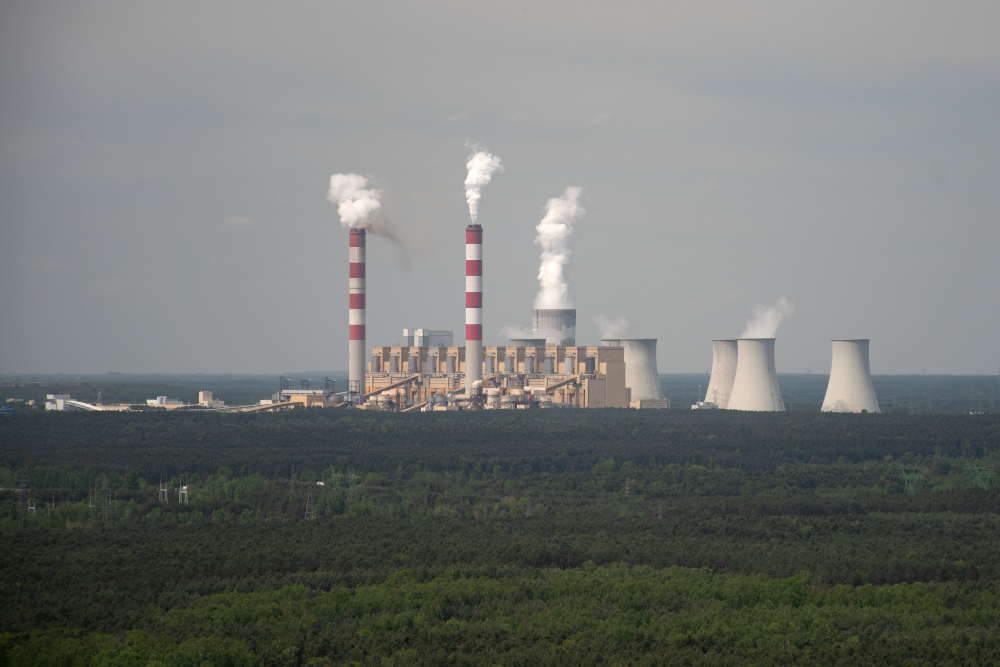
Few people outside of Poland have heard of Bełchatów, but most Poles know of this town of fifty-seven thousand people for one reason: it is the site of an enormous power plant that provides power to one-fifth of the country. Lignite coal was discovered nearby in 1960, and the power plant was built in 1977. This was what kickstarted the modern development of the town, and it grew from around ten thousand people that year to a peak of over sixty thousand by 2002. The coal mine and the power plant have a symbiotic relationship: the mine only sends its coal, on conveyor belts, to the plant, which burns the local lignite exclusively. My uncle took my wife and I to view the mine from a nearby observation deck; it is hard to overstate just how massive both plant and mine are.
.
The main pit, seen above, is about six miles across. Smaller, more recent pits to the west are about four and three miles across, respectively. The power plant, seen from a different angle below, is also a monster. The two main smokestacks (with red and white stripes) are each about three hundred meters tall. For reference, see the high voltage power lines visible in the middle foreground above the treetops.
.
So that is what Bełchatów is known for today. But just as with any place in Poland, there is history everywhere if you know where to look. My uncle and later my cousin each were kind enough to drive me around to see what I could photograph, and here’s what we found.
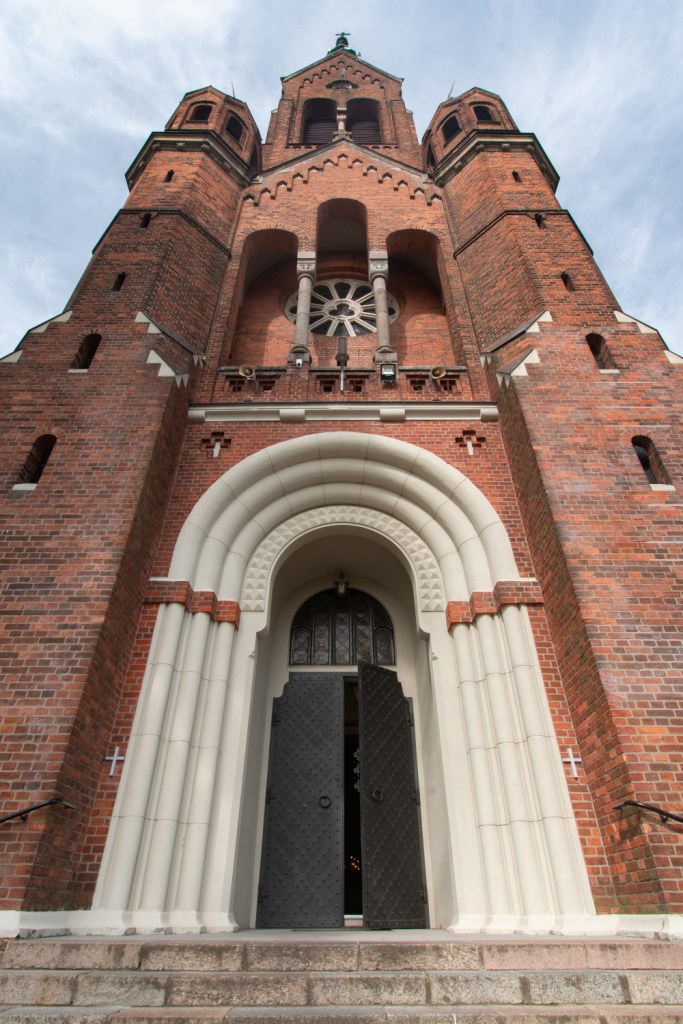
It should not be a surprise that Poland, an overwhelmingly Roman Catholic country, has a lot of churches. This one was in a small village outside of town named Gorzkowice. It isn’t old, by European standards, but was built to replace an earlier wooden church which burned down at the turn of the 20th century.
Below, the interior:

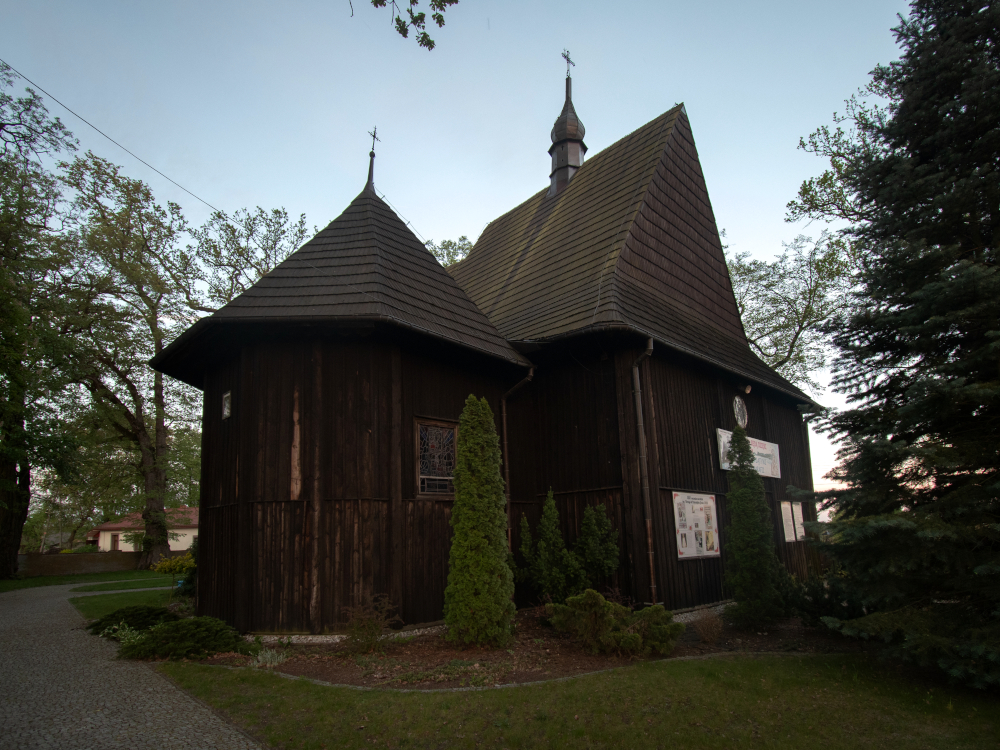
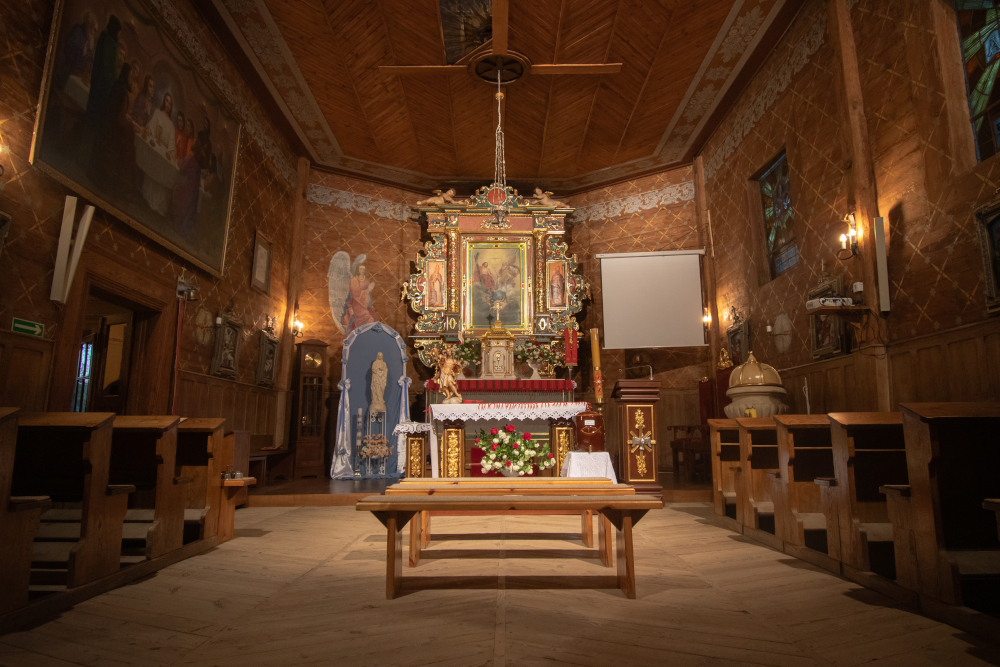
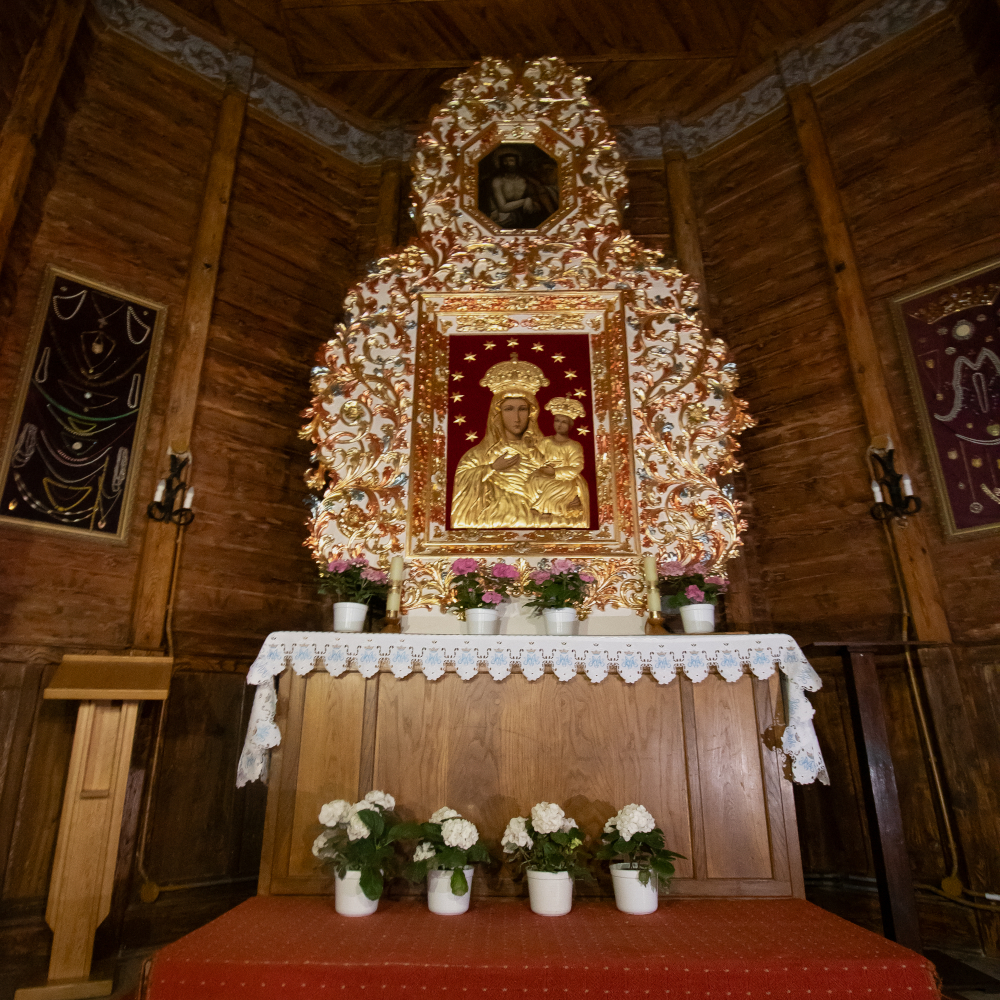
But a real treat turned out to be the church of the Holy Trinity in Kaszewice, which dates from the mid-1600’s. Built from larch, a wood renowned for its durability and resistance to moisture, the blackened sides of the church are likely original. Unfortunately, we arrived close to dusk and I did not have my tripod with me, so all these shots were handheld. I think they are decent for the circumstances, but I wish I could have done better here.
.
.
The main altar is seen above, and the smaller side chapel is below:
.
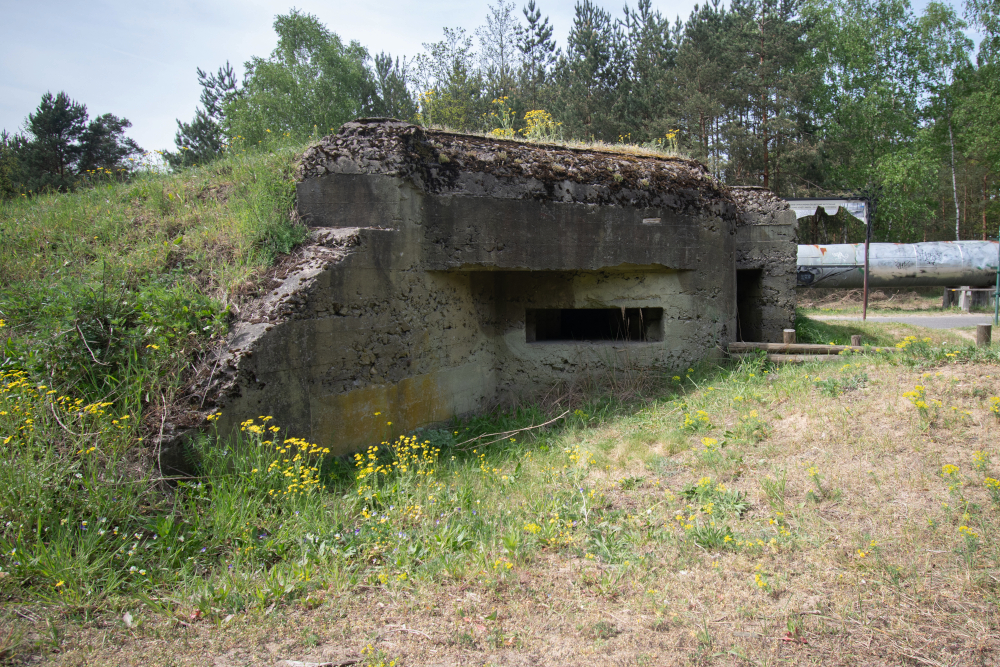
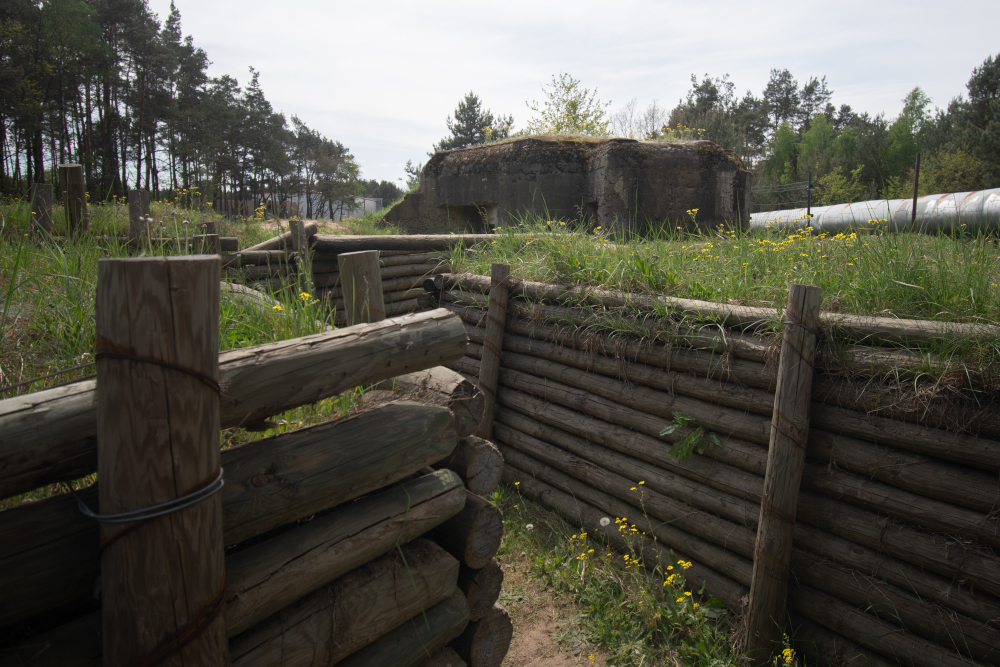
What else is Poland known for, historically? Well, as mentioned in my last post, it is the place where World War Two began. Remnants of this cataclysm are all over the country, sometimes in the form of leftover bunkers like this one. As a kid, I thought this was built by the occupying Nazis, but in fact it was built by Poles in 1939 in the buildup to war. The trenches are new and were built by local war reenactors. Visible in the background are pipes that crisscross the area funneling steam from the power plant to heat the town.
.
.
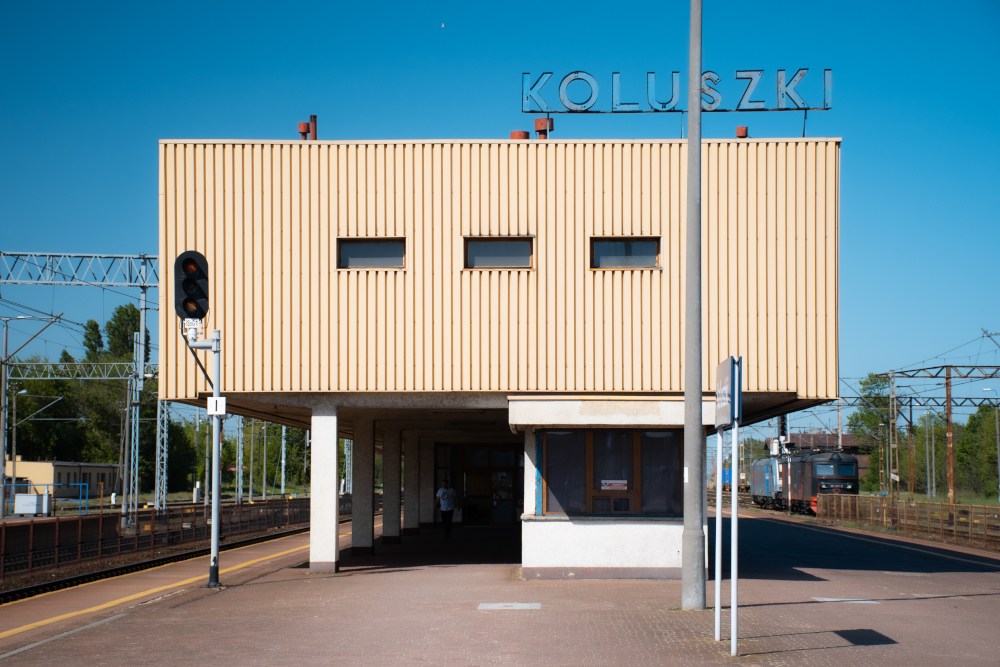
A quick bonus before I wrap this up: below is a train station from the town of Koluszki. It is where we changed trains on the way from Gdańsk to Bełchatów, and I liked it mainly because it struck me as a great example of Communist-era architecture, from the boxy design of the building itself to the font used for sign with the town name.
.
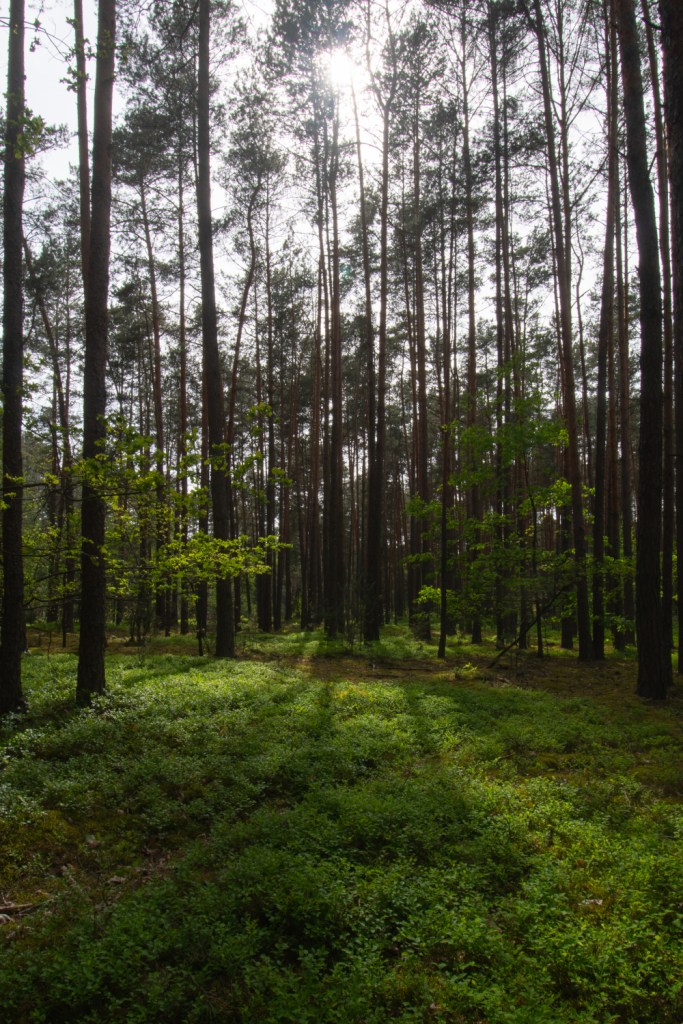
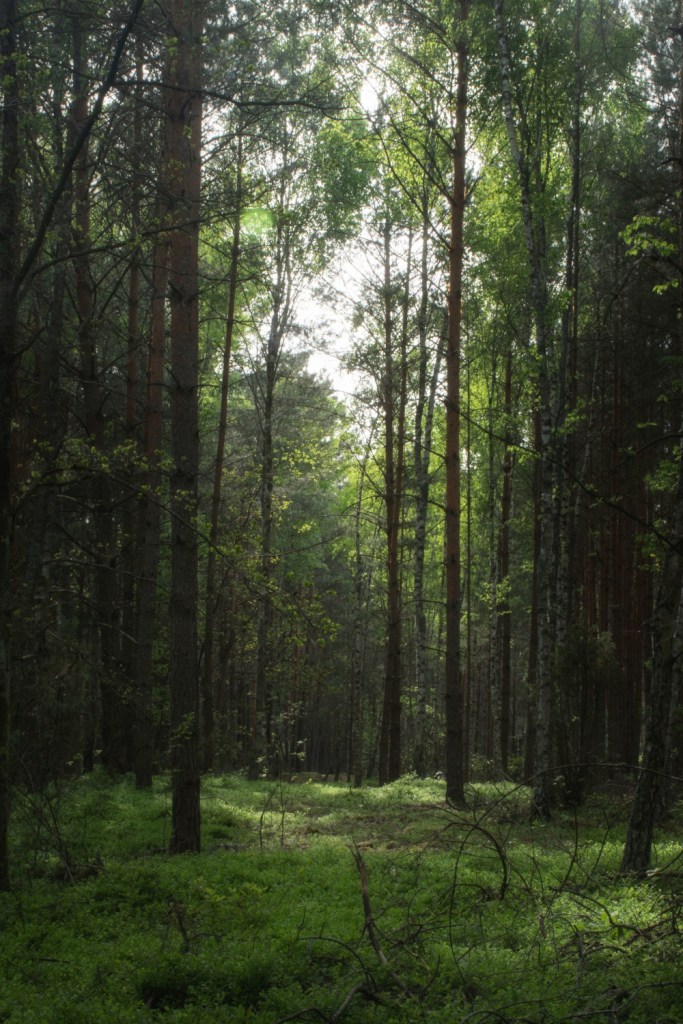
I will end this post on what is always one of my favorite things in Poland: its forests. They are usually coniferous, and are often airy enough to stroll through. I think it was something of a national pastime to go take walks in forests, or go mushroom foraging there. I did both as a kid and have fond memories of the time spent among the pines.
.
As always, thank you for stopping by, and hope you enjoyed this post. It was a bit more personal for me than most and I’m happy I could share.
 T A B U L A R A S A photography