The island of Corfu has had a fraught history. Over the centuries, it has changed hands among the Greeks, Venetians, Byzantines, and Ottomans, among others. Its location, in an important sea lane where the Ionian Sea meets the Adriatic, has been a double edged sword. It led to Corfu Town, the island’s biggest city (which I covered a couple posts ago) becoming a key strategic fort, but often brought unwelcome attention to the island from pirates. Villages on the shore, with their easy access to fishing and trade, could be risky. Islanders began building settlements well inland, among Corfu’s deep valleys and out of view of the sea. This post is about one such town, namely Old Sinies.
The trade-off for security was tough. Sinies’ location is not suitable for agriculture. To make a living, residents relied on animal husbandry and mining local limestone deposits. Later, when a monastery was built on a nearby hilltop, the town became a way station for religious pilgrims. During the height of piracy, the island had set up an early warning system in which sentries would monitor the sea and light fires upon spotting potential invaders. Sinies’ proximity to the tallest point on the island made it a key link in this system, but also made them often the first to be attacked in the ensuing raids.
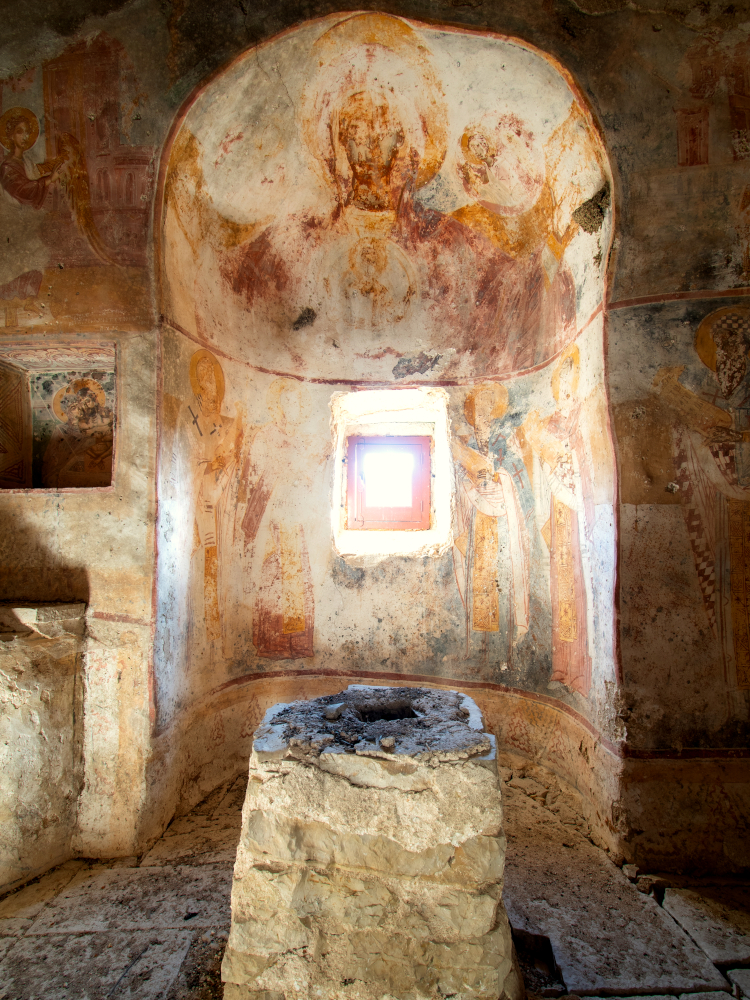
By modern times, the threat of piracy had receded and the call of modern life elsewhere would start the exodus. Though shepherds would use the town until the mid sixties, by the mid twentieth century, Sinies had been abandoned. Today, with the exception of the churches which in Greek fashion continue to be somewhat tended to, it is mostly in ruins.
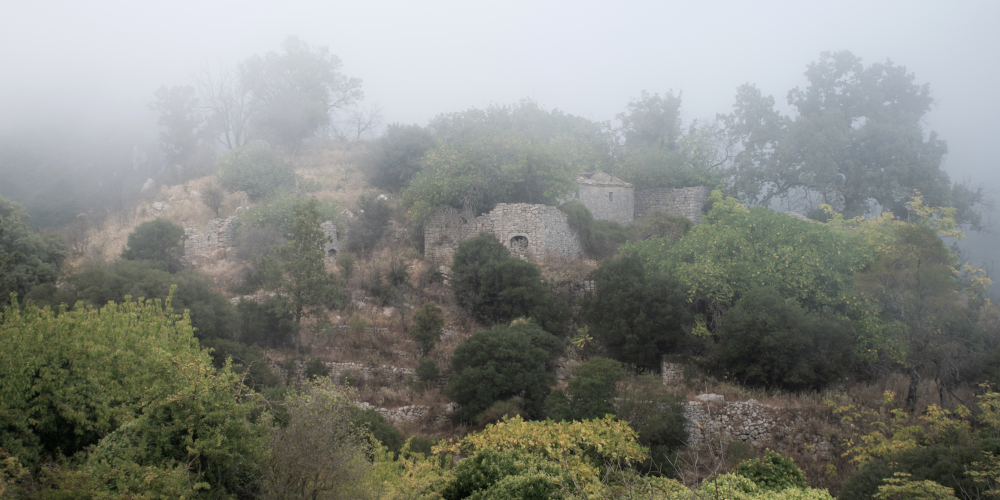
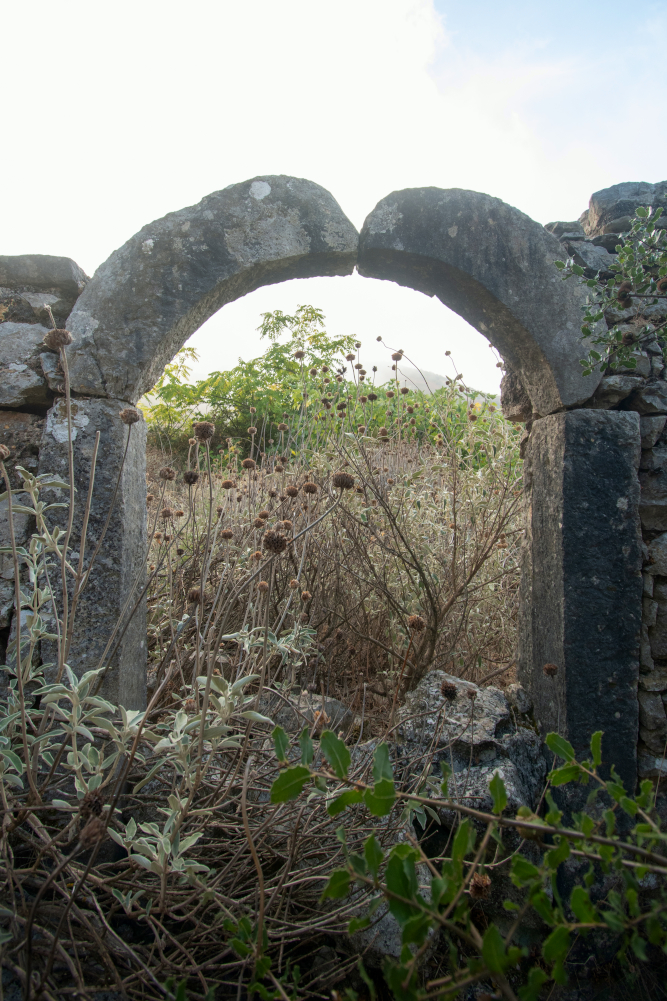
On our visit, we had heavy fog rolling in from the sea, and the early part of the day was gloomy and murky. These were not unwelcome conditions for shooting a ghost town however, and we dove right in.
.

.
.
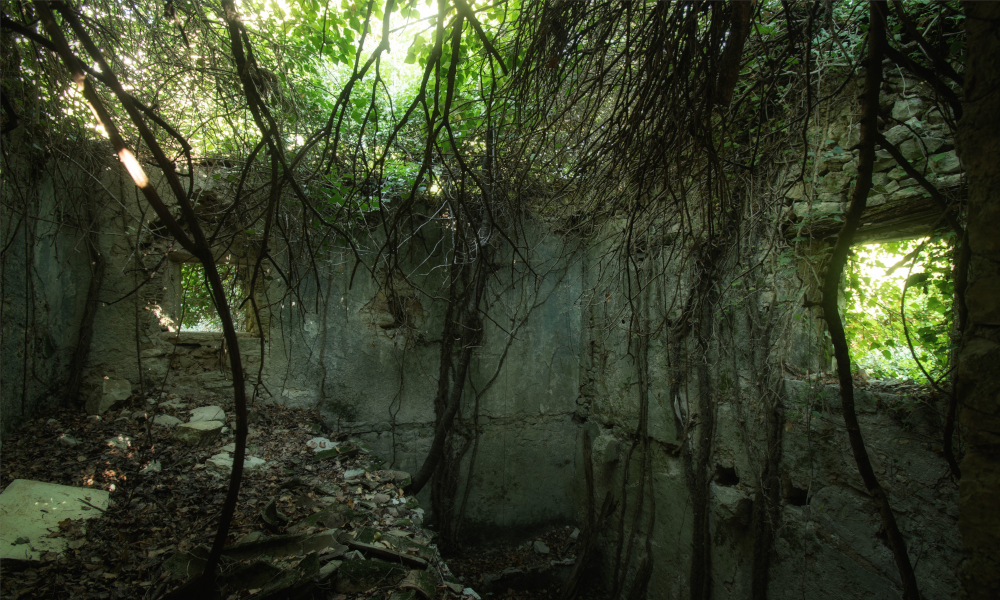
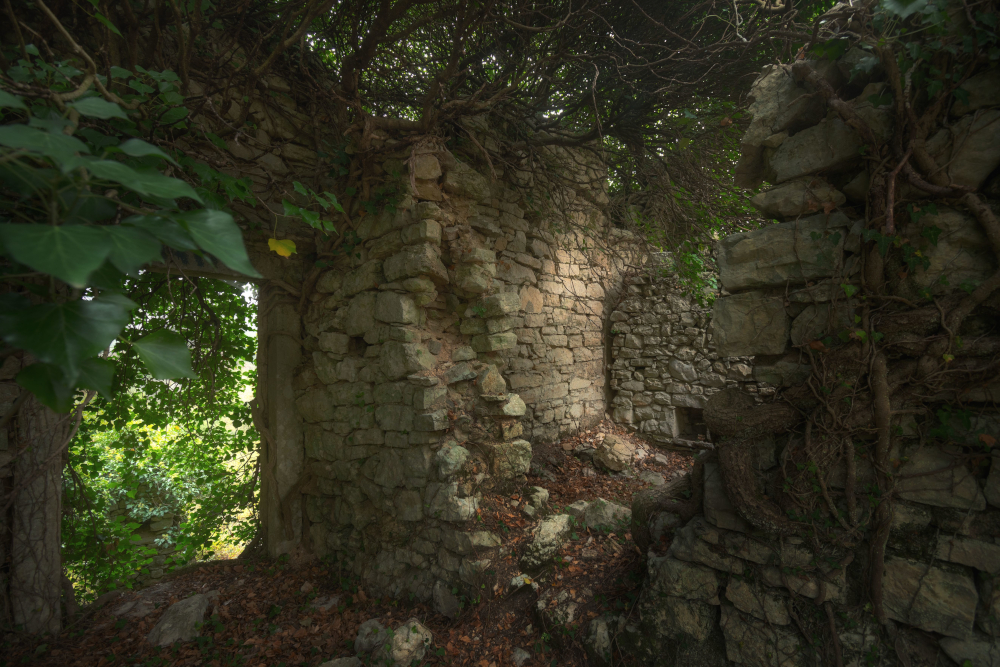
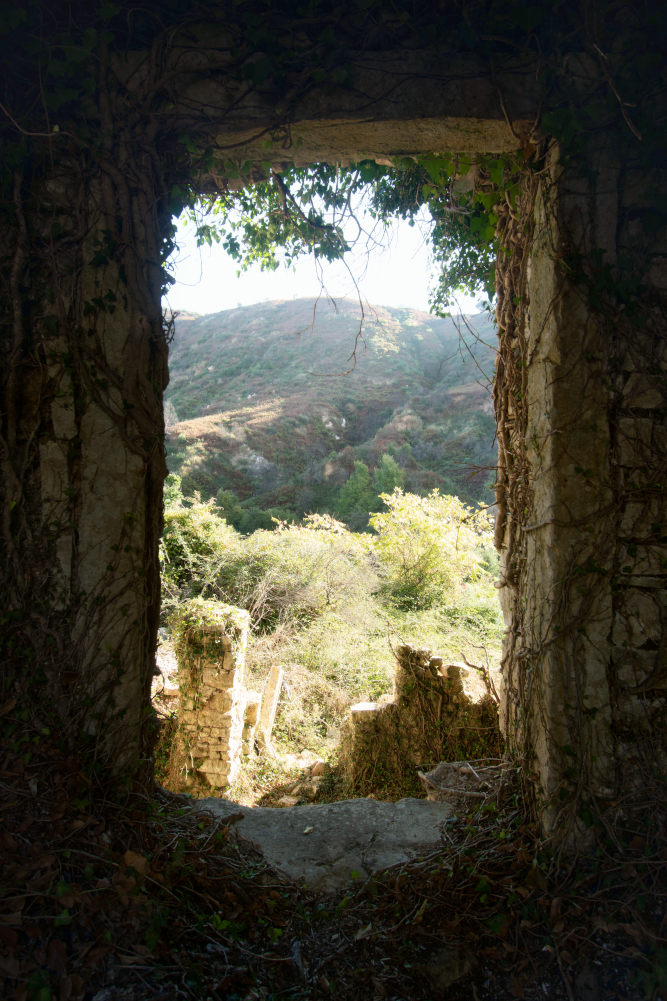
By mid morning we had moved inside, exploring the interiors of various buildings that remained accessible. None were locked, but some had become so overgrown as to make entry practically impossible.
.
.
.
.
.
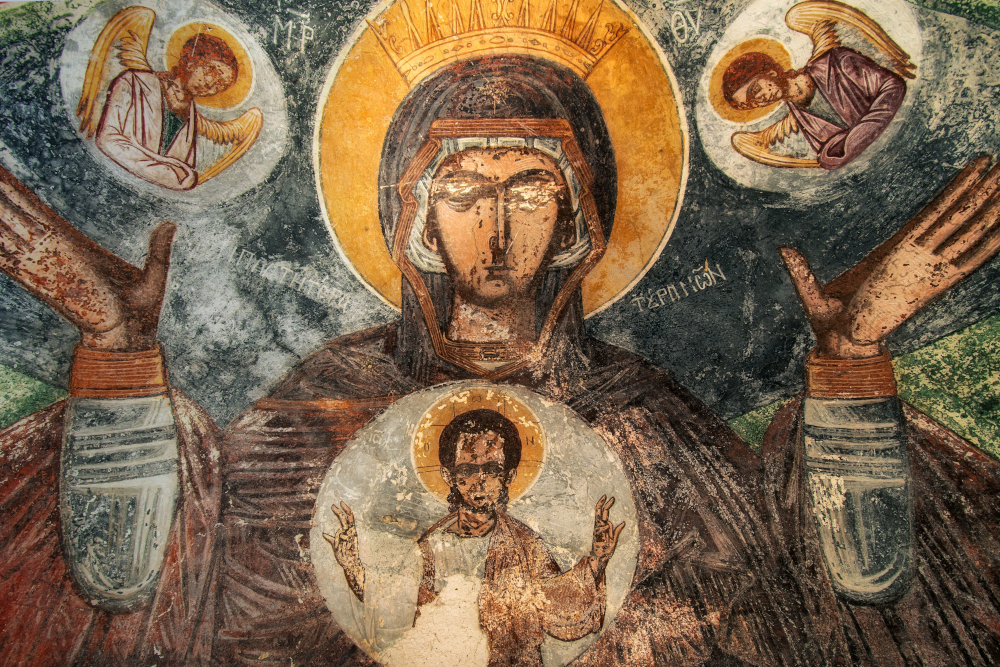
The above would be the only bit of church vandalism I would see in my week in Greece. Someone had very intentionally gouged the eyes of the Virgin Mary in an otherwise stunning old fresco.
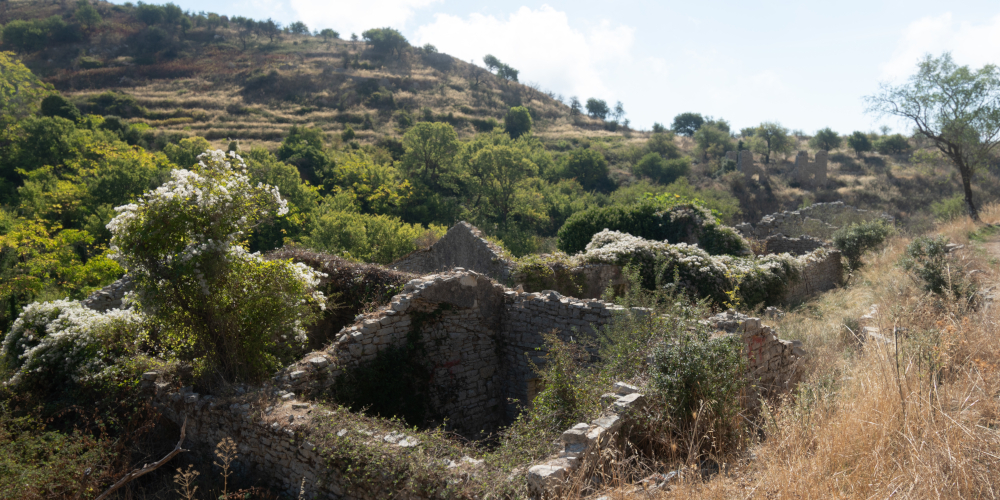
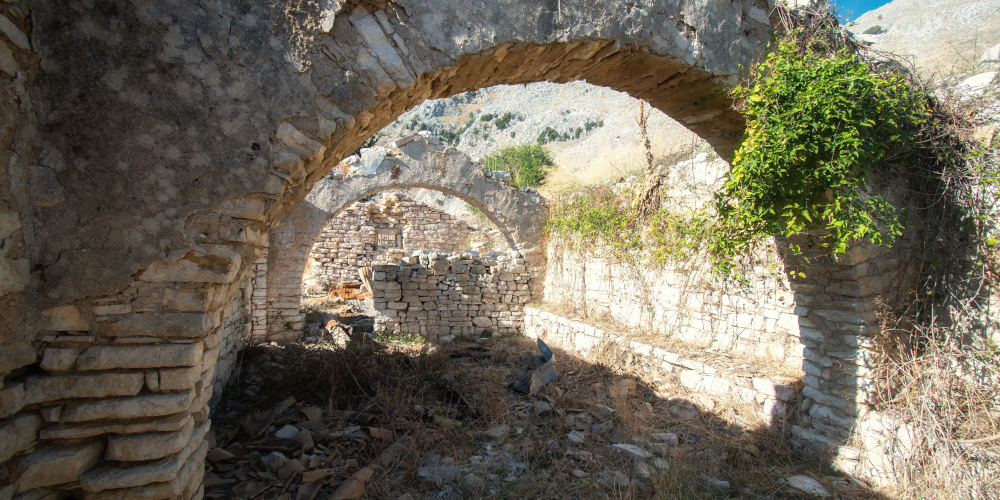
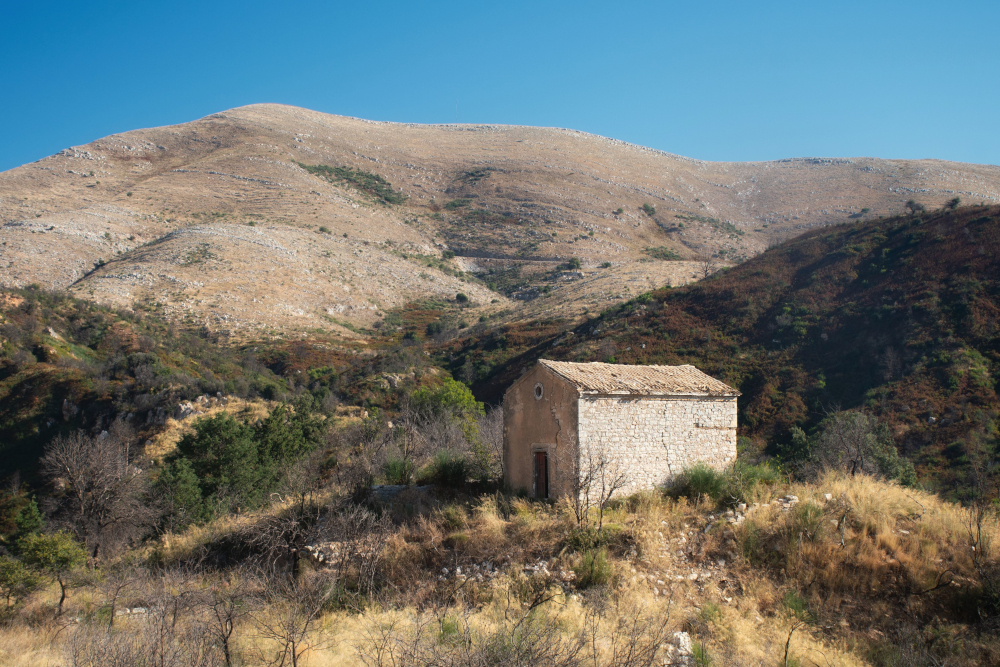
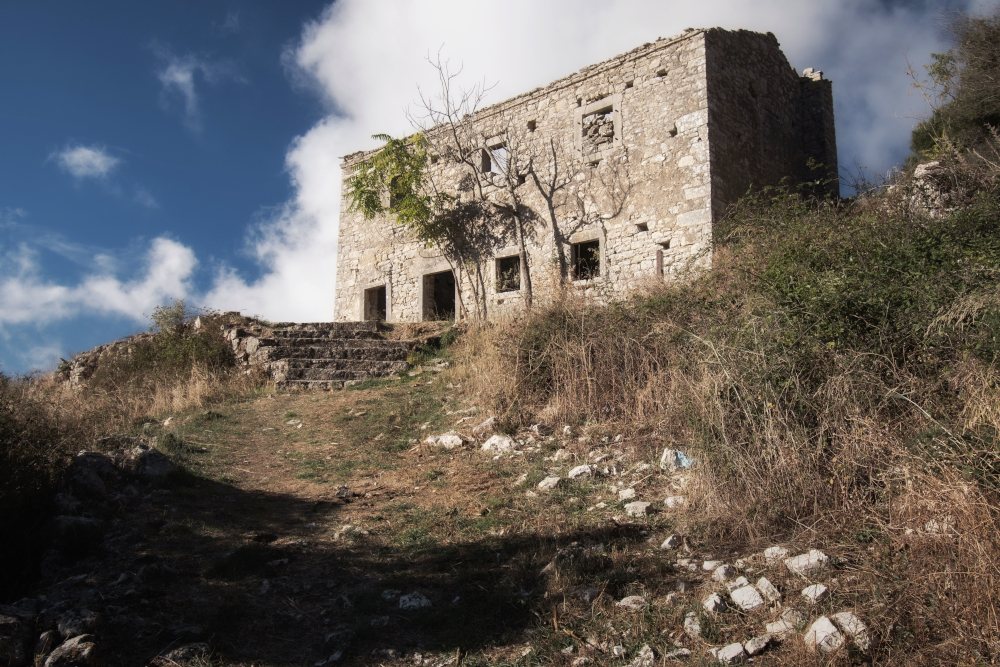
We would finish our time in Sinies back outside, wandering around under the now clearing skies and shooting various exteriors.
.
.
.
.

.
I really enjoy how this last shot came out, with the tree in the left foreground helping to frame the ruins of the house. I think it wound up being my favorite shot from Sinies.
Thanks for taking the time to read, and if you are interested, I have much more Greece coming soon!
 T A B U L A R A S A photography