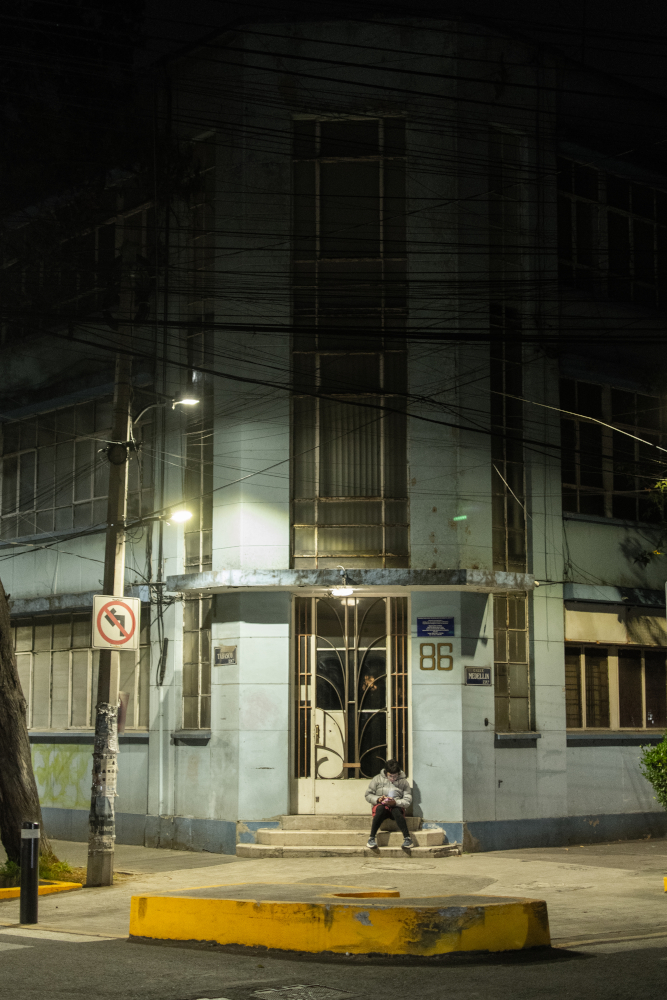
The central barrios of the Mexican capital have some serious charm, with many areas resembling southern Europe more than anything else in North America. Each day during my stay, I would get back to the hotel in the late afternoon, wash up or maybe have a short rest, then set out to wherever I was going to eat and drink that night. These walks provided a perfect vehicle to see the city at night. I cannot recommend the CDMX cocktail bar scene highly enough, and returning after several delicious drinks would magically add some charm to the city not seen during the day. Shooting this on the go, however, was slightly daunting.
Having cut my teeth in photography doing urbex, I am very used to shooting with a tripod. It’s a must in the gloomy interiors of abandoned buildings lest you want all your photos blurry, or, worse yet, resort to flash photography. Once I started doing more travel and landscape photography, the tripod remained a constant companion, and I found myself reluctant to shoot hand-held. I had done it at times, but it always seemed like a step down in quality. This trip to Mexico City would finally be where I changed my mind.
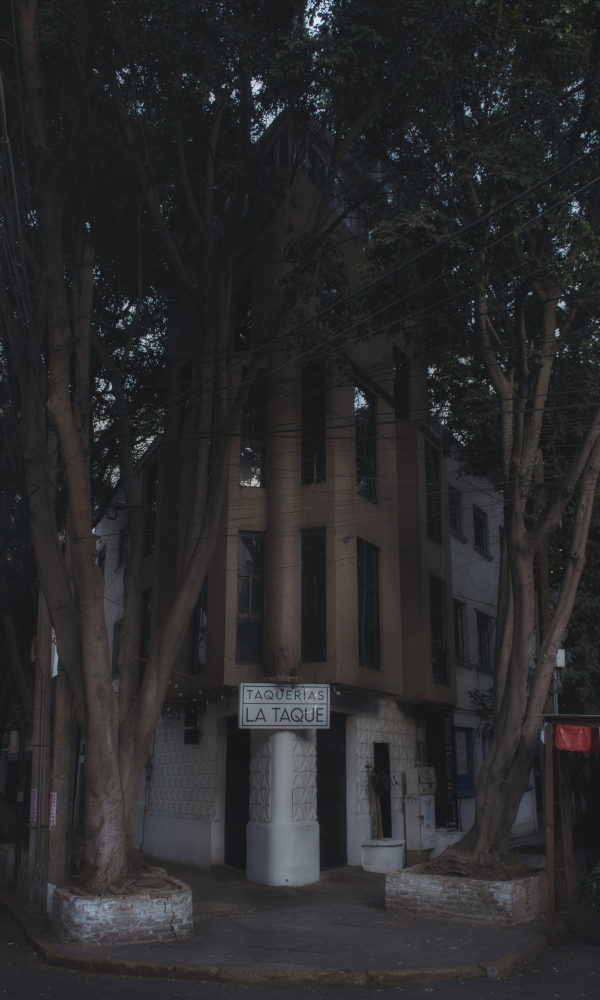
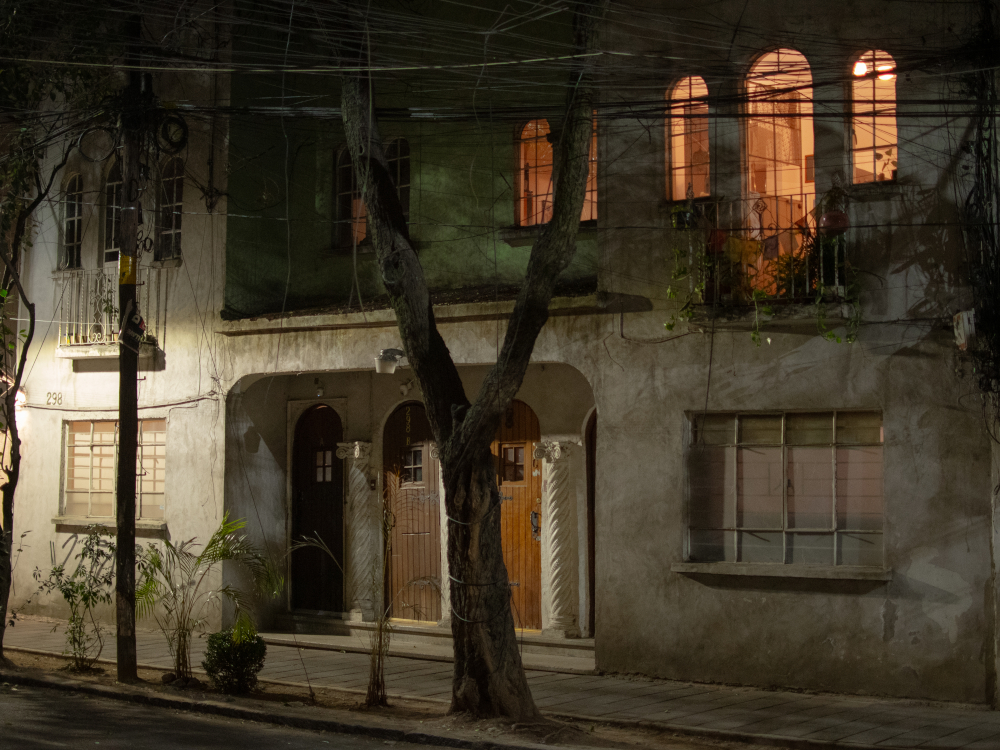
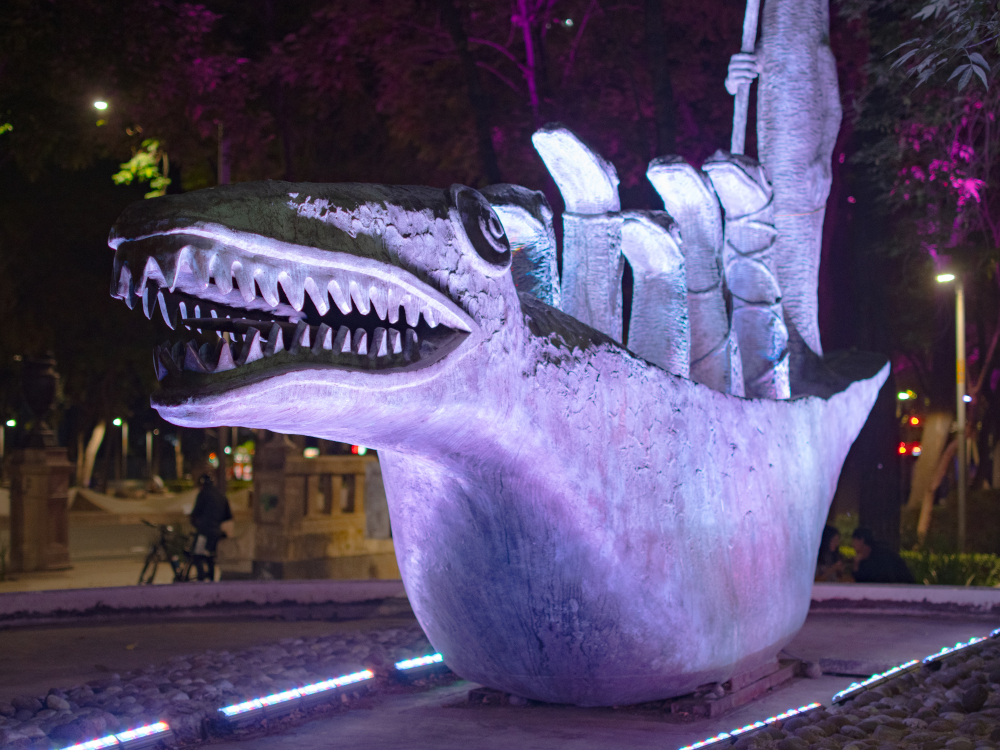
Over the years, I’ve easily gone through a half dozen tripods as the demands of urbex wore each one out. In the eternal struggle between lightweight and durable, I finally went all in on durable, and my current Manfrotto is hefty enough to fend off a rabid crackhead if need be. But it was the sheer weight of it that made me reluctant to take it with me on walks in Mexico City, and so it wound up sitting in my hotel almost the entire trip. Instead I chose to rely on my 35mm prime lens which opens up to f1.2, letting in a ton of light, and letting go of my fear of higher ISOs with some help from Lightroom’s smoothing software. The results are below.
.
.

.
.
A narrow depth of focus, which is the downside of a low f-stop, can be seen in these shots.
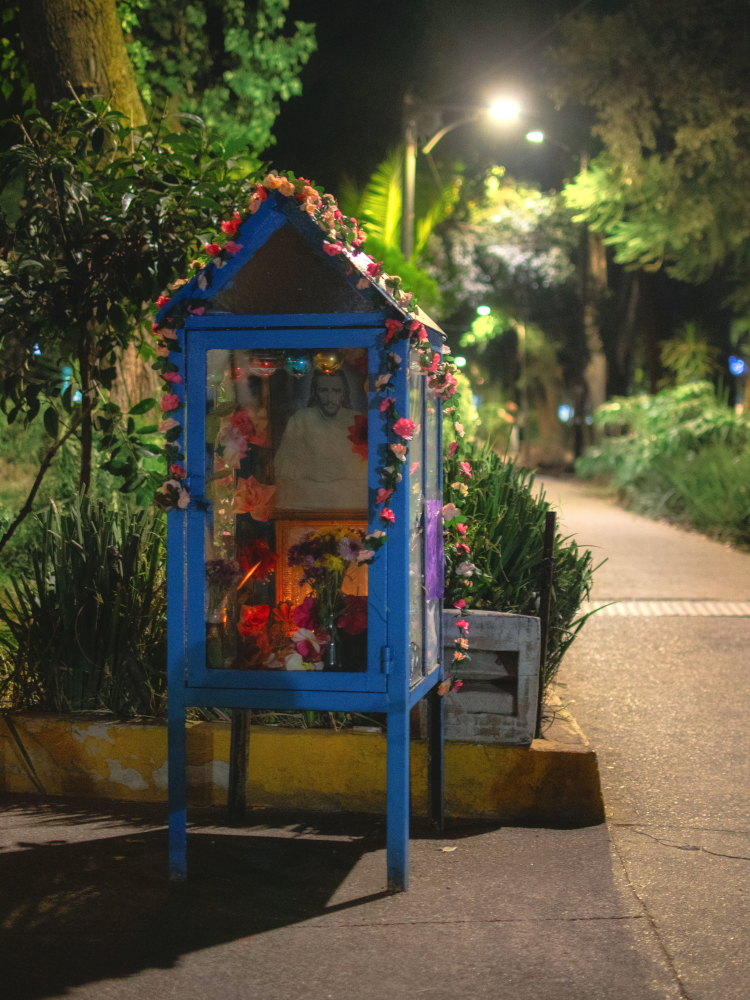
Below: some colorful roadside shrines, a common sight in this very Catholic country.

.
.

.

.

.

.